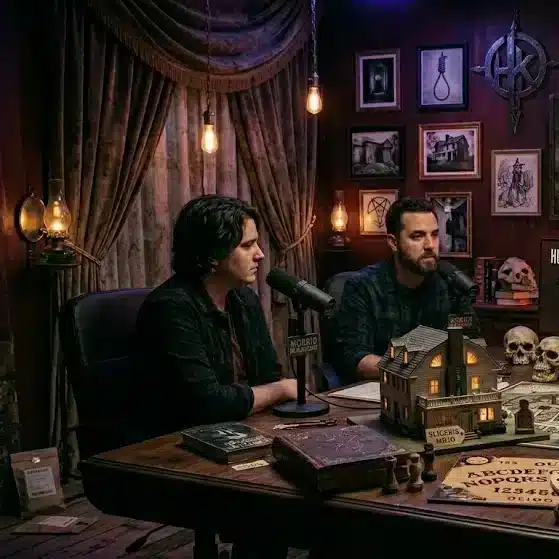
Morbid Launches ‘The Salem Slicer’ Interactive True-Crime Board Game With Hunt A Killer
True-crime entertainment is evolving again — and this time, fans are becoming investigators. The wildly popular Morbid podcast franchise is stepping deeper into interactive storytelling with the launch of a new narrative-driven board game designed to blur the line between audio entertainment and real-world detective work.
Titled Hunt A Killer x Morbid: The Salem Slicer, the new experience combines podcast storytelling, physical evidence, cryptic clues, forensic puzzles, and immersive audio elements into one chilling cold-case mystery. Developed in collaboration with Relatable, the game signals a growing shift in how media brands are turning loyal audiences into active participants.
The launch also reflects a larger cultural trend: younger audiences are increasingly gravitating toward interactive entertainment experiences that encourage social engagement, critical thinking, and offline connection.
Over the last several years, true-crime podcasts have evolved from niche audio programming into full-scale entertainment brands. Few podcasts have experienced that transformation as successfully as Morbid.
Now, the creators behind the hit series are capitalizing on that momentum by bringing fans directly into the investigation.
Unlike traditional board games centered around competition or strategy, The Salem Slicer focuses heavily on cinematic storytelling. Players are not simply rolling dice or moving tokens around a board. Instead, they are asked to analyze evidence, decode messages, unlock hidden secrets, and piece together clues from a decades-old murder mystery.
The experience is structured like an unfolding investigative thriller where every object, recording, and puzzle could hold critical information.
The game’s narrative centers around a young lawyer named Abigail, who uncovers disturbing evidence among her late father’s belongings. The materials appear to connect him to a string of murders known as the “Salem Slicer” killings — a brutal cold case that first shocked the fictional town in 1985.
Authorities believed the case had ended in 1988 after suspect Linus Kennedy died. But a newly discovered coded letter changes everything, suggesting the real killer may never have been caught.
That revelation launches players into an elaborate investigation filled with twists, hidden motives, and dark secrets.
Why Podcasts Are Expanding Into Physical Gaming
The move from podcasting into board games may sound unconventional at first glance, but industry analysts say it makes strategic sense.
Modern audiences increasingly want entertainment that feels participatory rather than passive. Instead of merely listening to stories unfold, fans now seek experiences where they can influence outcomes, solve mysteries, and immerse themselves emotionally in fictional worlds.
Interactive mystery games have surged in popularity over the past decade, especially among Millennials and Gen Z consumers who are looking for alternatives to expensive nights out or endless screen time.
By merging podcast storytelling with tactile gameplay, Relatable and the Morbid team are tapping directly into that growing demand.
The game reportedly includes:
Physical evidence packets
Hidden documents
Code-breaking puzzles
Forensic-style analysis tasks
Audio storytelling elements
Locked mystery containers
Exclusive mini podcast episodes
Collectible props tied to the investigation
Among the physical items included are a blood-stained scrunchie, a train passenger figurine, and a locked evidence box designed to deepen immersion.
The exclusive audio content acts almost like a bonus episode of the podcast itself, helping players move deeper into the fictional investigation while uncovering clues unavailable elsewhere.
This hybrid approach transforms fans from listeners into detectives.
Ash Kelley And Alaina Urquhart Double Down On Fan Engagement
For podcast hosts Ash Kelley and Alaina Urquhart, the board game represents more than a merchandise expansion. It is also a way to strengthen the emotional connection with their community.
The duo, known for referring to their fanbase affectionately as “weirdos,” described the collaboration as a natural next step for the brand.
According to the hosts, the appeal lies in allowing listeners to actively participate in the type of mysteries they regularly discuss on the podcast.
Rather than hearing investigators solve crimes, fans now have the opportunity to experience the process themselves.
That distinction is important in today’s entertainment economy, where audiences increasingly expect deeper forms of engagement from creators they follow.
Fan communities built around podcasts have become remarkably powerful in recent years. Successful podcast brands no longer rely solely on streaming revenue or advertising. Instead, they are expanding into:
Live tours
Premium memberships
Merchandise
Publishing deals
Streaming adaptations
Subscription content
Interactive experiences
Gaming partnerships
For Morbid, The Salem Slicer appears to be another major step in transforming the podcast into a broader entertainment ecosystem.
Inside The Story Of ‘The Salem Slicer’
One reason the game is already generating buzz online is its cinematic approach to storytelling.
The fictional cold case unfolds across multiple timelines and encourages players to question every assumption.
According to details released by the creators, the murders originally terrorized the town during the mid-1980s before investigators seemingly closed the case following the death of primary suspect Linus Kennedy.
Years later, Abigail’s discovery of hidden evidence suggests authorities may have arrested the wrong person — or stopped looking too soon.
Players must reconstruct the timeline by analyzing:
Handwritten letters
Newspaper clippings
Witness statements
Crime scene materials
Audio recordings
Encoded messages
Personal artifacts
The experience reportedly balances suspense, horror, and investigative logic while maintaining the darkly humorous tone that helped make Morbid successful.
The narrative structure mirrors binge-worthy streaming thrillers and prestige true-crime documentaries, which could help broaden the game’s appeal beyond existing podcast listeners.
The Rise Of Narrative-Driven Board Games
The launch also highlights the growing popularity of story-centric tabletop gaming.
For decades, board games were largely dominated by classic formats built around competition, luck, or strategy. But over the last several years, narrative-driven experiences have exploded in popularity.
Games centered on mystery solving, escape-room mechanics, and immersive storytelling are now attracting mainstream audiences.
Companies across the entertainment sector are increasingly recognizing that consumers want experiences capable of creating memorable shared moments.
Unlike digital entertainment, tabletop mystery games encourage face-to-face collaboration and conversation.
That social element has become particularly valuable in a post-pandemic entertainment landscape where many younger consumers are prioritizing intentional social activities over passive scrolling.
Analysts say narrative board games are benefiting from several overlapping trends:
Growing Interest In Experiential Entertainment
Consumers increasingly prefer activities that feel immersive and emotionally engaging.
Screen Fatigue
After years of nonstop digital consumption, many people are looking for offline entertainment alternatives.
Social Connection
Interactive games provide opportunities for friends and families to spend meaningful time together.
True Crime Popularity
The true-crime genre remains one of the most consumed categories across podcasts, documentaries, and streaming television.
Influencer-Led Commerce
Fans are more likely to purchase products directly tied to creators they already trust.
Together, those trends create an ideal environment for products like The Salem Slicer.
Why Gen Z And Millennials Are Fueling The Trend
A recent consumer insights report from advertising and media research company WARC found that nearly half of social media users made purchases influenced by creators or online personalities during the past year.
The report also revealed strong engagement with tabletop gaming among younger demographics.
According to the findings:
51% of Gen Z consumers play board games at least once per month
50% of Millennials participate in tabletop gaming monthly
Interest-led hobbies continue to gain momentum
Consumers are seeking more affordable social experiences
Researchers say rising living costs and the increasing expense of nightlife activities are contributing to this shift.
Instead of expensive outings, many consumers are turning toward experiences that can be enjoyed at home with friends.
Narrative mystery games fit neatly into that behavioral change.
For podcast brands, this creates a valuable opportunity. Loyal audiences are often highly invested emotionally, making them more likely to support immersive products connected to the creators they follow regularly.
Relatable Sees Massive Potential In Podcast Partnerships
Executives at Relatable believe the partnership works because both brands already occupy similar cultural spaces.
The company, which specializes in social games and interactive entertainment, has spent years developing immersive murder mystery experiences through its Hunt A Killer line.
By teaming with a podcast already deeply rooted in true crime storytelling, the collaboration gains instant credibility among fans.
Colleen Dolan, Vice President of Brand Strategy and Communications at Relatable, emphasized that the partnership emerged from genuine fandom within the company itself.
That authenticity could prove critical in a media environment where audiences quickly reject collaborations that feel overly corporate or disconnected from creator identity.
Rather than simply licensing a podcast name onto a generic product, The Salem Slicer appears intentionally designed around the tone, humor, and storytelling style that made Morbid successful.
Morbid’s Evolution From Indie Podcast To Media Powerhouse
The success of Morbid has been one of podcasting’s most notable growth stories.
Launched in 2018 by hairstylist Ash Kelley and autopsy technician Alaina Urquhart, the podcast quickly distinguished itself from competitors through its conversational style and dark humor.
While many true-crime shows maintain a serious documentary tone, Morbid blends investigative storytelling with comedy, paranormal themes, and deeply personal commentary.
That unique formula helped the podcast build a passionate and highly engaged audience.
Over time, the brand expanded into:
Live performances
Merchandise
Publishing projects
Spin-off content
Fan communities
Network partnerships
The show consistently ranks among the most-subscribed programs on Apple Podcasts and remains one of the most recognizable names in true-crime audio.
In 2025, the hosts further expanded their business footprint by signing a multiyear ad sales and distribution deal with SiriusXM Podcast Network.
That agreement reinforced the podcast’s mainstream influence and positioned the brand for even broader expansion opportunities.
From Tarot Cards To Murder Mysteries
Interestingly, The Salem Slicer is not the first collaboration between Morbid and Relatable.
Last year, the companies launched a limited-edition tarot card collection during the holiday shopping season.
That release reportedly performed well among fans, helping demonstrate demand for collectible and experiential products tied to the podcast.
The success of the tarot deck likely helped pave the way for a more ambitious project like The Salem Slicer.
Industry experts say creator-led merchandise increasingly performs best when it feels connected to audience identity rather than functioning as generic branding.
For Morbid fans, paranormal aesthetics, creepy storytelling, and mystery-solving are all central parts of the community culture — making products like tarot cards and immersive crime games feel like natural extensions of the brand itself.
The game’s retail strategy also suggests confidence in mainstream demand.
Initially available for preorder through Walmart, the game is expected to launch in Walmart stores in June before expanding to additional retailers in July.
The broad retail distribution indicates expectations that the game can appeal not only to podcast superfans but also to general consumers interested in mystery entertainment.
True-crime fandom has become deeply mainstream over the last decade, making crossover opportunities increasingly lucrative.
Could More Podcasts Launch Interactive Games?
As creator-led commerce continues expanding, industry analysts expect more podcasts to move into immersive products and gaming.
The formula is attractive because podcasts naturally cultivate highly loyal audiences who already feel emotionally invested in hosts and storytelling formats.
Interactive mystery games are particularly compatible with true-crime podcasts because listeners are already accustomed to analyzing clues, theories, and case details.
Future expansions could include:
Augmented reality investigations
Mobile companion apps
Live interactive events
Subscription mystery boxes
Multiplayer online crime-solving experiences
Serialized game franchises
For now, however, The Salem Slicer may represent one of the clearest examples yet of how podcast storytelling is evolving into full-scale participatory entertainment.
The Bigger Picture Behind Morbid’s Expansion
At its core, the launch reflects a much larger transformation happening across digital media.
Traditional entertainment models separated audiences from creators. Fans consumed content passively through television, radio, or publishing.
Today’s creator economy works differently.
Audiences want:
Access
Community
Interaction
Immersion
Shared experiences
Podcasts are uniquely positioned to capitalize on those desires because listeners often develop strong emotional bonds with hosts over hundreds of hours of intimate audio consumption.
That loyalty can translate into powerful commercial ecosystems extending far beyond podcast downloads alone.
With The Salem Slicer, Morbid is not just releasing another branded product.
It is testing the future of fandom-driven entertainment.
And if consumer response matches the enthusiasm already building online, the line between podcasts, gaming, and immersive storytelling may continue to disappear faster than many expected.