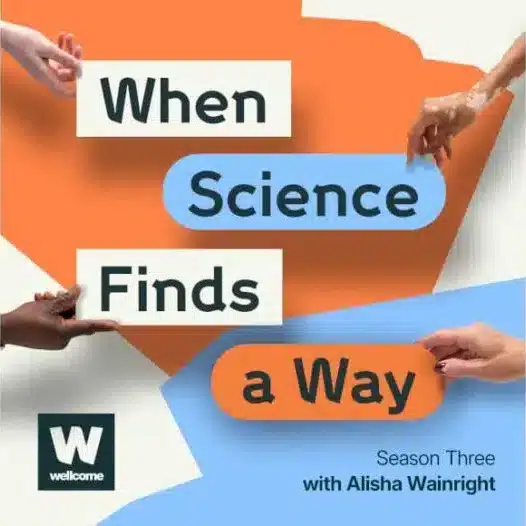
When Science Finds a Way Podcast Season 3: Global Voices & Inclusive Science
Podcasts have become one of the most powerful mediums to share knowledge, spark conversations, and build global communities. Among the many podcasts bridging science and society, When Science Finds a Way has earned a reputation for blending storytelling with research, highlighting how science directly impacts our daily lives.
On 8 September 2025, Wellcome announced the much-anticipated return of its acclaimed podcast for Season Three, hosted by botanist-turned-actor and science advocate Alisha Wainwright. This season, the podcast promises to deliver powerful, human-centered stories from across the globe — spanning India, South Africa, Brazil, Ghana, Nigeria, and the UK.
With its eight weekly episodes, Season Three continues to build on the podcast’s mission: exploring the human side of science, making research inclusive, and amplifying voices from diverse communities. From school-based mental health programmes to climate-conscious diets and vaccine equity, the podcast highlights how science becomes transformative when it’s rooted in partnership, empathy, and inclusivity.
Spotlight on Season Three: What Listeners Can Expect
A Truly Global Narrative
Unlike traditional science podcasts that often focus on Western research institutions, When Science Finds a Way takes a community-first approach. This season emphasizes stories from developing nations and underrepresented voices, ensuring that science is not portrayed as a distant concept, but as a lived reality that shapes health, wellbeing, and culture.
Countries featured this season include:
India – exploring mental health initiatives in schools.
South Africa & Ghana – examining vaccine equity and local manufacturing.
Nigeria – connecting art and mental health through personal journeys.
Brazil – showcasing community-driven responses to health challenges.
United Kingdom – bridging policy and personal experience in creative health.
The Host: Alisha Wainwright’s Unique Role
Science communication requires more than just presenting facts; it demands empathy, storytelling, and accessibility. That’s why Alisha Wainwright is the perfect host for Season Three.
Background: Trained as a botanist, Alisha transitioned into Hollywood as an actor but retained her passion for science advocacy.
Mission as host: To guide listeners with empathy and clarity, ensuring discussions remain relevant whether you are a scientist, policymaker, teacher, health worker, or simply a curious individual.
Her perspective: Wainwright has emphasized that the most rewarding aspect of this season is amplifying diverse voices — from researchers and artists to patients and community leaders.
“What I find most rewarding this season is hearing such a wide range of voices – researchers, health workers, artists, teachers, patients and community leaders, each bringing their own perspective on science and health,” said Wainwright.
Episode Highlights: Season Three Breakdown
Each of the eight episodes explores how inclusive, community-driven research can bring meaningful change. Here’s a preview of the standout episodes:
1. The Healing Power of the Arts
Guests: Professor Daisy Fancourt, Nigerian artist Kunle Adewale, and UK mother Vanessa.
Themes: Creative health, music therapy, mental health recovery.
Key Takeaway: Arts engagement is not just entertainment — it’s therapy. Professor Fancourt’s research has influenced UK policy on “creative health,” demonstrating how music, art, and creative activities can improve mental health and social wellbeing.
Vanessa’s testimony about overcoming postnatal depression through a singing-based clinical trial adds a deeply personal perspective, while Adewale’s journey from Nigeria connects art to global healing initiatives.
2. Autism and Inclusive Research
Guest: Dr. Aimee Grant.
Focus: Reproductive healthcare designed by and for autistic individuals.
Highlight: The project titled Autism: from Menstruation to Menopause stands out for being fully led by autistic people. It challenges conventional research models by emphasizing participatory research and community councils, ensuring lived experiences shape medical studies.
3. Mental Health in Schools: The Indian Experience
Guest: Professor Vikram Patel.
Storyline: Addressing stress and anxiety among students in India through school-based mental health programmes.
Community Perspective: Counsellor Bindiya Chodankar shares tools used to help students navigate the pressures of education, exams, and family expectations.
4. Food Choices for a Healthy Planet
Guest: Professor Pete Scarborough.
Concept: Can we make food choices that are both healthy for us and sustainable for the planet?
Narrative: Alongside Scarborough, shopper Jo recounts her personal experience testing tools that nudge consumers toward more sustainable diets.
5. Vaccine Equity Across Africa
Guests: Dr. Delese Mimi Darko (CEO, Ghana Food and Drugs Authority) and the CEO of Biovac, South Africa.
Issue: During COVID-19, less than 1% of vaccines used in Africa were produced locally. This episode highlights ongoing efforts to expand local vaccine manufacturing capacity and strengthen public health resilience.
Future Goal: Biovac’s ambitious plan to fully produce an Oral Cholera Vaccine by 2030.
Why This Season Matters
Inclusive Research as a Model for the Future
Season Three reflects a broader movement in global health research: co-creation with communities. Instead of treating communities as passive subjects, this approach integrates them as active partners in designing, testing, and scaling solutions.
Breaking the “Science Bubble”
Podcasts like this matter because they:
Translate complex science into relatable stories.
Ensure marginalized voices influence health decisions.
Bridge the gap between policy, research, and everyday experiences.
How and Where to Listen
The new season of When Science Finds a Way will be available starting 10 September 2025, with fresh episodes every Wednesday. Listeners can tune in on Spotify, Apple Podcasts, Google Podcasts, and other major streaming platforms.
Conclusion
When Science Finds a Way is more than a podcast — it is a global conversation about science, humanity, and equity. By amplifying diverse voices and making research inclusive, Season Three sets a new standard for science communication.
For listeners seeking thought-provoking conversations, personal stories, and transformative research insights, this season is a must-listen.