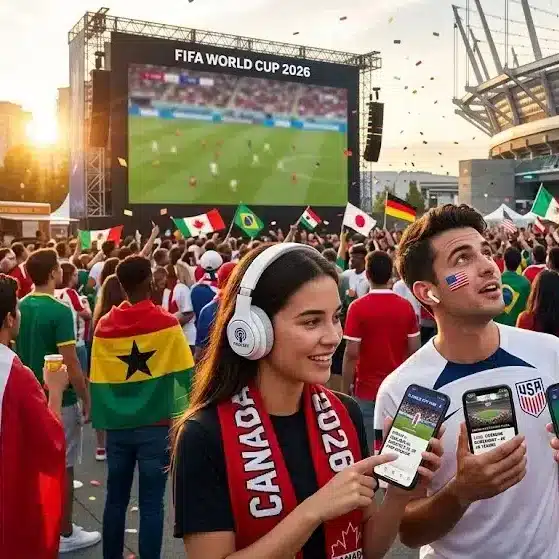
Podcasts Dominate 2026 FIFA World Cup Marketing Strategy | Nielsen Report
As the countdown to the 2026 FIFA World Cup begins, marketers across the globe are recalibrating their strategies to capture the attention of an increasingly fragmented and digitally savvy audience. A new report by Nielsen signals a major shift: audio platforms—especially podcasts—are rapidly emerging as a powerful channel for engaging football fans in the United States.
While television and social media have long dominated sports marketing, the evolving habits of modern audiences suggest that brands may need to rethink their playbook. The World Cup is no longer just a visual spectacle—it’s becoming an immersive, multi-platform experience where storytelling, commentary, and fan-driven narratives thrive in audio formats.
The Rise of Audio: Why Listening Is the New Watching
“For a growing share of fans, the World Cup isn’t just watched—it’s listened to,” Nielsen highlights in its latest findings. This insight underscores a fundamental transformation in how audiences consume sports content.
Audio platforms such as podcasts and radio are no longer secondary channels. Instead, they are becoming primary touchpoints where fans seek deeper insights, behind-the-scenes analysis, and culturally rich storytelling that goes beyond the 90 minutes on the pitch.
Key Findings from Nielsen’s Report
77% of U.S. soccer fans engage with radio and podcasts for soccer-related content
61% tune into radio for sports news, compared to 46% of the general population
60% listen to podcasts, significantly higher than the 37% average among all consumers
These figures clearly indicate that soccer fans are more inclined toward audio consumption than the broader public, making podcasts a highly targeted and effective marketing channel.
Millennials Drive Podcast Consumption Boom
One of the most compelling revelations in Nielsen’s research is the role of millennials in shaping audio consumption trends.
Millennials are:
41% more likely to consume World Cup content through podcasts than any other medium
This behavior signals a demand for:
In-depth analysis
Long-form storytelling
Contextual narratives around teams, players, and global rivalries
Unlike traditional broadcasts that focus on live action, podcasts offer layered storytelling—exploring the history, emotions, and socio-political context surrounding football.
For brands, this presents a unique opportunity to integrate messaging into content that audiences actively choose to engage with, rather than passively consume.
Black Audiences: A Key Growth Segment in Soccer Fandom
The report also highlights the increasing influence of Black audiences within the U.S. soccer landscape—one of the fastest-growing and most impactful demographics in the sport.
Notable Trends Among Black Listeners
Daily podcast listenership among Black adults has nearly doubled in five years
Heavy listening (8+ hours per week) has surged by 135%
Black listeners are 32% more likely to engage with podcasts hosted by radio personalities
Radio continues to play a significant role, reaching 92% of the Black population, reinforcing its cultural relevance and trust factor.
This convergence of radio and podcast engagement creates a hybrid ecosystem where traditional credibility meets modern convenience—an ideal environment for brands seeking authentic connections.
Beyond Social Media: A Shift in Fan Engagement
Nielsen’s findings suggest that fan engagement is moving beyond traditional and even social media platforms. While platforms like Facebook and Twitter remain influential, they are increasingly complemented by audio-driven experiences.
Changing Consumption Patterns
Fans are seeking on-demand content they can access anytime
Audio allows for multitasking, fitting seamlessly into daily routines
Podcasts foster a sense of intimacy and community
This shift is particularly relevant as soccer continues to expand its footprint in the United States.
Soccer’s Growing Popularity in the U.S.
The momentum behind soccer in the U.S. is undeniable. Nielsen reports that:
33% of the general population expects their interest in soccer to grow over the next 18 months
This surge is likely driven by:
Increased visibility of international tournaments
Rising participation at grassroots levels
The upcoming World Cup hosted across North America
As the sport gains traction, the demand for diverse content formats—including audio—will only intensify.
Industry Data Confirms the Podcast Surge
Nielsen’s insights are echoed by data from other major industry players.
Spotify Insights
Sports podcast listenership spikes by 358% following major competitions
Year-over-year growth has increased fourfold
WARC Observations
Brands are shifting advertising budgets toward conversational platforms
Podcasts are becoming central to fan engagement strategies
Together, these findings paint a clear picture: podcasts are not just a trend—they are a cornerstone of modern sports marketing.
Content Providers Respond to Rising Demand
Recognizing the surge in demand, major content creators and platforms are rapidly expanding their soccer podcast offerings.
Key Developments
Netflix has partnered with Goalhanger to bring “The Rest Is Football” to audiences with daily episodes during World Cup matches
reVolver Podcasts has expanded its lineup with “Esto es Fútbol Mundial”, in collaboration with Mundial Sports Network and Mundial Group Inc.
These initiatives reflect a broader industry shift toward real-time, narrative-driven content that complements live matches.
Why Podcasts Work for World Cup Marketing
Podcasts offer several unique advantages that make them ideal for World Cup campaigns:
1. Deep Engagement
Listeners often spend extended periods with podcast content, allowing for more meaningful brand interactions.
2. Targeted Audiences
Podcasts cater to niche interests, enabling precise audience targeting.
3. Authentic Storytelling
Brands can integrate into conversations organically, enhancing credibility.
4. Flexibility
Audio content can be consumed anytime, anywhere—during commutes, workouts, or leisure time.
Strategic Implications for Brands
As the 2026 World Cup approaches, brands must adapt to this evolving landscape.
Recommended Strategies
Invest in podcast sponsorships aligned with soccer themes
Collaborate with influential hosts to reach engaged audiences
Develop branded content series that tell compelling stories
Leverage cross-platform integration between audio, social, and video
The goal is not just visibility, but resonance—connecting with fans on a deeper, more personal level.
The Future of Sports Marketing: Audio at the Core
The rise of podcasts signals a broader transformation in sports media consumption. As fans seek richer, more immersive experiences, audio platforms are uniquely positioned to deliver.
For marketers, the message is clear: the future of World Cup engagement will not be defined solely by what fans watch—but by what they hear, feel, and connect with.
Conclusion: Listening Is the Winning Strategy
The 2026 FIFA World Cup represents more than just a sporting event—it’s a cultural phenomenon that brings together millions of fans worldwide.
In this evolving landscape, podcasts are emerging as a critical channel for storytelling, engagement, and brand connection. Backed by data from Nielsen and supported by industry trends, the shift toward audio is both significant and strategic.
Brands that recognize this shift—and act on it—stand to gain a competitive edge in one of the most anticipated global events of the decade.