YouTube Pushes Creator Content Into TV-Style Advertising Era
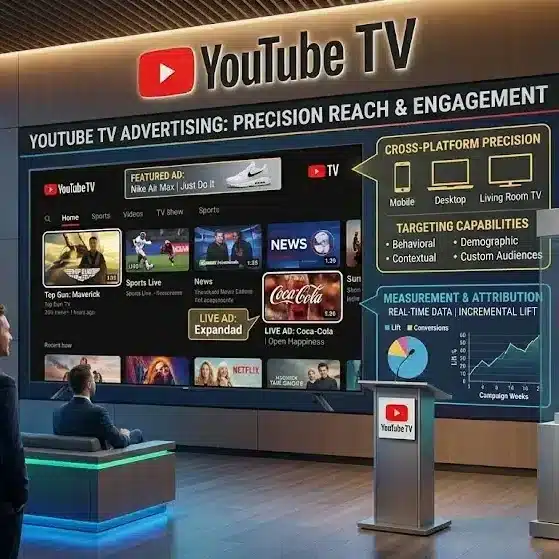
YouTube has unveiled a bold strategy to reshape creator-driven content into a structured, scalable advertising ecosystem—one that closely mirrors traditional television buying.
At the recent IAB NewFronts, YouTube made it clear: the future of creator marketing is no longer informal influencer deals—it’s data-driven, AI-powered, and TV-like in scale and execution.
“Creator marketing is at an inflection point,” said Anne Marie Nelson-Bogle, emphasizing the platform’s growing dominance in capturing audience attention.
Creators today are not just participants in the attention economy—they are leading it.
Key Takeaways from YouTube’s Announcement:
Creator content is shifting toward premium, long-form formats
Viewing is increasingly happening on television screens
Advertisers are demanding scalability and measurable ROI
AI is becoming central to creator discovery and campaign execution
This transformation marks a departure from the fragmented nature of influencer marketing, positioning YouTube as a hybrid between social media and broadcast television.
From Smartphones to Living Rooms: The Rise of TV-Style Viewing
One of the most striking revelations from YouTube’s presentation is the shift in viewing behavior.
What’s Changing?
Over 50% of YouTube viewing now happens on TV screens
Audiences are consuming longer, higher-production content
Creators are designing videos for lean-back viewing experiences
This trend places YouTube in direct competition with traditional broadcasters and streaming giants, blurring the lines between digital video and television programming.
Whether it’s a quick short or a full-length podcast, viewers are actively choosing creators and returning to them regularly.
The Scale Advantage: 3 Million Creators and Growing
YouTube highlighted its massive creator ecosystem, boasting over 3 million vetted creators available for brand partnerships.
Why This Matters for Advertisers:
Access to niche and mass audiences
Ability to run multi-creator campaigns at scale
Diverse content across genres like:
Sports
News
Comedy
True Crime
Podcasts
This scale enables brands to move beyond one-off collaborations and build consistent, multi-channel storytelling strategies.
AI Takes Center Stage in Creator Discovery
A major highlight of YouTube’s announcement is the integration of AI-driven tools into its advertising ecosystem.
According to Melissa Nikolic, advertisers can now discover creators using simple prompts inside platforms like Google Ads and Display & Video 360.
How It Works:
Advertisers input a campaign goal or audience description
AI analyzes:
Brand signals
Audience behavior
Content categories
The system recommends ideal creators for collaboration
This simplifies what was once a manual and time-consuming process, making creator partnerships more accessible—even for large-scale campaigns.
Introducing “Open Call”: A Marketplace for Creative Collaboration
YouTube is also rolling out an innovative feature called Open Call, designed to streamline how brands connect with creators.
What Open Call Enables:
Brands publish campaign briefs directly
Creators respond with video ideas and pitches
Advertisers can select from a pool of creative concepts
Nikolic describes it as one of the fastest ways to:
Discover fresh talent
Generate diverse creative assets
Scale campaign production efficiently
This model transforms creator marketing into a collaborative marketplace, rather than a negotiation-heavy process.
Turning Creator Content into Scalable Advertising
Once partnerships are established, YouTube is encouraging brands to amplify content using paid media tools.
Key Features:
Creator Partnerships Tool: Manage collaborations
Boost Functionality: Turn creator videos into ads
Distribution across:
Shorts
Long-form videos
Connected TV
This approach ensures that brands can maximize reach and impact without relying solely on organic performance.
Why YouTube’s Audience Behavior Is a Game-Changer
YouTube emphasized a critical differentiator: viewer loyalty and long-term engagement.
Key Insights:
80% of U.S. viewers return to the same creators repeatedly
Around 40% of video views occur more than a month after upload
Unlike fleeting social media posts, YouTube content has a long shelf life, offering sustained value for advertisers.
From Influencer Marketing to Genre-Based Buying
Perhaps the most transformative shift is how YouTube is organizing creator content.
Instead of focusing solely on individual influencers, the platform is moving toward:
Genre-Based Media Buying
Content categorized into themes like:
Sports
News
Comedy
True Crime
Campaigns aligned with audience interests rather than individual creators
This mirrors how traditional TV advertising works—buying audiences within content categories, not just personalities.
Advanced Measurement Tools for Advertisers
To address long-standing concerns around ROI and transparency, YouTube is expanding its analytics suite.
New Measurement Solutions:
Brand Pulse Report
Unified view of reach across:
Paid media
Owned channels
Earned exposure
Lift Studies
Track:
Brand awareness
Search behavior
Conversion impact
These tools aim to provide clear, actionable insights, making it easier for brands to justify investment in creator-led campaigns.
What This Means for Podcasters and Long-Form Creators
Podcasters, in particular, stand to benefit from YouTube’s push toward TV-style content consumption.
Opportunities Ahead:
Increased visibility on connected TV screens
Better monetization through structured ad deals
Access to brand partnerships at scale
As podcasting continues to evolve into a visual medium, YouTube is positioning itself as a central hub for discovery and revenue generation.
Industry Implications: A New Era of Digital Advertising
YouTube’s strategy reflects a broader industry trend:
The Convergence of Media Formats
Social media is becoming more like television
Television is adopting digital targeting capabilities
Creators are becoming media networks in their own right
This convergence is reshaping how brands:
Plan campaigns
Allocate budgets
Measure success
Expert Analysis: Why This Shift Matters Now
The timing of YouTube’s move is critical.
With increasing competition from streaming platforms and evolving viewer habits, advertisers are seeking:
Consistency (like TV)
Precision targeting (like digital)
Scalability (across formats)
YouTube’s new model delivers all three—making it a powerful contender in the future of advertising.
Challenges Ahead
While the strategy is ambitious, it’s not without hurdles:
Standardizing creator content without losing authenticity
Balancing automation with creative freedom
Competing with established TV and streaming ad ecosystems
Success will depend on how well YouTube can maintain trust among creators, advertisers, and audiences.