Podcast Listening in 2026 Holds Strong After Election Surge, New U.S. Survey Finds
Podcasting’s remarkable growth during the intense media environment of the 2025 election year appears to have left a lasting mark on how Americans consume audio content. A new nationwide survey reveals that the surge in podcast listening that occurred last year has largely held steady into 2026, suggesting that the medium has successfully converted a wave of new listeners into regular weekly audiences.
The 2026 National Radio Listening Tracking Survey, conducted by FMR Associates in partnership with Eastlan Ratings, finds that 40% of adults aged 25 to 64 in the United States now listen to podcasts every week.
That figure represents only a slight increase from 39% in 2025, but the stability itself is significant. Just two years earlier, weekly podcast listening stood at around 24% in 2024, meaning the industry experienced one of its fastest audience expansions during the election cycle.
Researchers say the latest data signals something important: podcasting may have reached a new baseline of mass adoption in the U.S. media landscape.
The goal of the study was to analyze how listeners divide their time among multiple audio formats, including:
Podcasts
AM/FM radio
Streaming audio services
Personal music listening
Satellite radio
By examining these categories together, researchers could determine whether podcast growth is replacing other forms of audio or simply expanding overall listening time.
The results suggest the latter.
Podcast Audience Growth: From Niche to Mainstream
Over the past decade, podcasts have evolved from a relatively niche medium into one of the fastest-growing sectors in digital media. The most dramatic growth, however, has occurred in recent years.
Weekly Podcast Listening Trends
According to the survey:
2024: ~24% of adults listened weekly
2025: 39% listened weekly
2026: 40% listen weekly
The jump between 2024 and 2025 represents a 15-percentage-point surge, coinciding with an election year that drove intense interest in political analysis, news commentary, and long-form interviews.
Experts say the stability in 2026 indicates that many of those new listeners did not abandon podcasts once the political season ended.
Instead, they incorporated podcasts into their regular media habits.
Why the Election Year Fueled Podcast Listening
Election years historically produce spikes in media consumption, but the 2025 cycle appears to have had a particularly strong impact on podcasts.
Several factors contributed to the boom:
1. Demand for In-Depth Political Discussion
Traditional broadcast news often limits segments to short updates. Podcasts, by contrast, offer long-form conversations that can explore political issues in greater depth.
Listeners looking for context, analysis, and debate found podcasts particularly appealing.
2. High-Profile Podcast Interviews
During the campaign season, many political figures chose podcasts as a platform for reaching voters in extended conversations.
These interviews frequently went viral, drawing large audiences and introducing new listeners to the format.
3. Convenience of On-Demand Listening
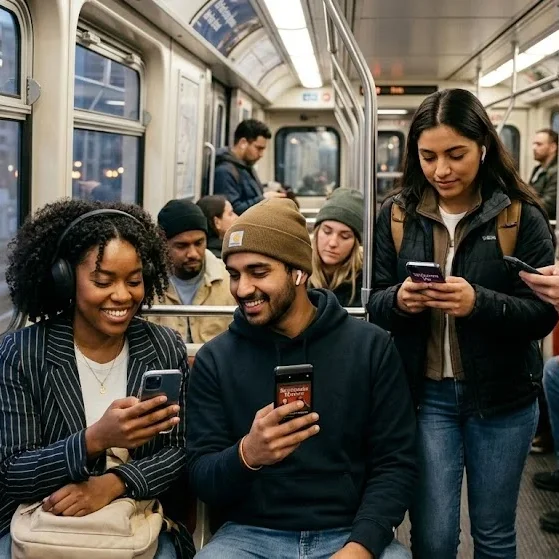
Unlike live radio or television broadcasts, podcasts allow users to listen whenever they want—during commuting, exercising, or household chores.
This flexibility helped expand listening beyond traditional media schedules.
4. Social Media Amplification
Clips from popular podcasts circulated widely on social platforms, encouraging users to explore full episodes.
These viral moments helped podcasts reach audiences that might not have actively searched for them.
Who Is Listening to Podcasts the Most?
The survey also provides a detailed look at the demographics driving podcast consumption.
Gender Trends
Podcast listening tends to be more prevalent among men compared to women, though the gap has gradually narrowed as the medium becomes more mainstream.
Age Groups Leading the Trend
Adults between 25 and 44 years old are the most active podcast listeners.
This age group is often:
Digitally connected
Comfortable with streaming platforms
Interested in news, career advice, and personal development content
However, podcast adoption among older adults continues to grow as smartphones and smart speakers become more widespread.
Geographic Differences
Podcast listening varies significantly by region.
Higher listening rates were reported in:
The Northeast
The Western United States
Meanwhile, usage levels were slightly lower in some parts of the Midwest and South.
Urban vs. Smaller Markets
Residents in large radio markets and metropolitan areas are more likely to listen to podcasts regularly.
Possible reasons include:
Higher broadband access
Greater exposure to digital media culture
Larger commuting populations who consume audio during travel
Podcasts Are Expanding the Audio Pie — Not Replacing Radio
One of the most surprising findings from the research is that podcast growth has not reduced listening to other audio formats.
Instead, the study suggests podcasts are adding new listening time rather than replacing existing habits.
Researchers found that weekly listening levels remained strong across multiple audio categories:
AM/FM Radio: 84% weekly reach
Streaming Audio: 63%
Personal Music Listening: 60%
Podcasts: 40%
This means that while podcasts are growing quickly, traditional broadcast radio remains the most widely used audio platform in the United States.
Why Radio Still Leads
Radio’s continued dominance can be attributed to several factors:
Its availability in cars
Local news and community information
Habitual listening patterns built over decades
For many listeners, radio and podcasts serve different purposes.
Radio often provides quick updates and music programming, while podcasts offer deep-dive storytelling and analysis.
Streaming Audio Continues to Thrive
Alongside podcasts, streaming audio services are another major player in the evolving digital audio ecosystem.
Platforms that allow listeners to stream music, talk shows, and curated playlists attract 63% of adults each week, according to the survey.
The popularity of streaming audio reflects broader shifts in consumer behavior:
Increased smartphone usage
High-speed mobile internet
Personalized content recommendations
Streaming platforms also frequently host podcasts, further blurring the lines between different types of audio entertainment.
The Rise of Video Podcasts
Another emerging trend highlighted in the report is the growing popularity of video podcasts.
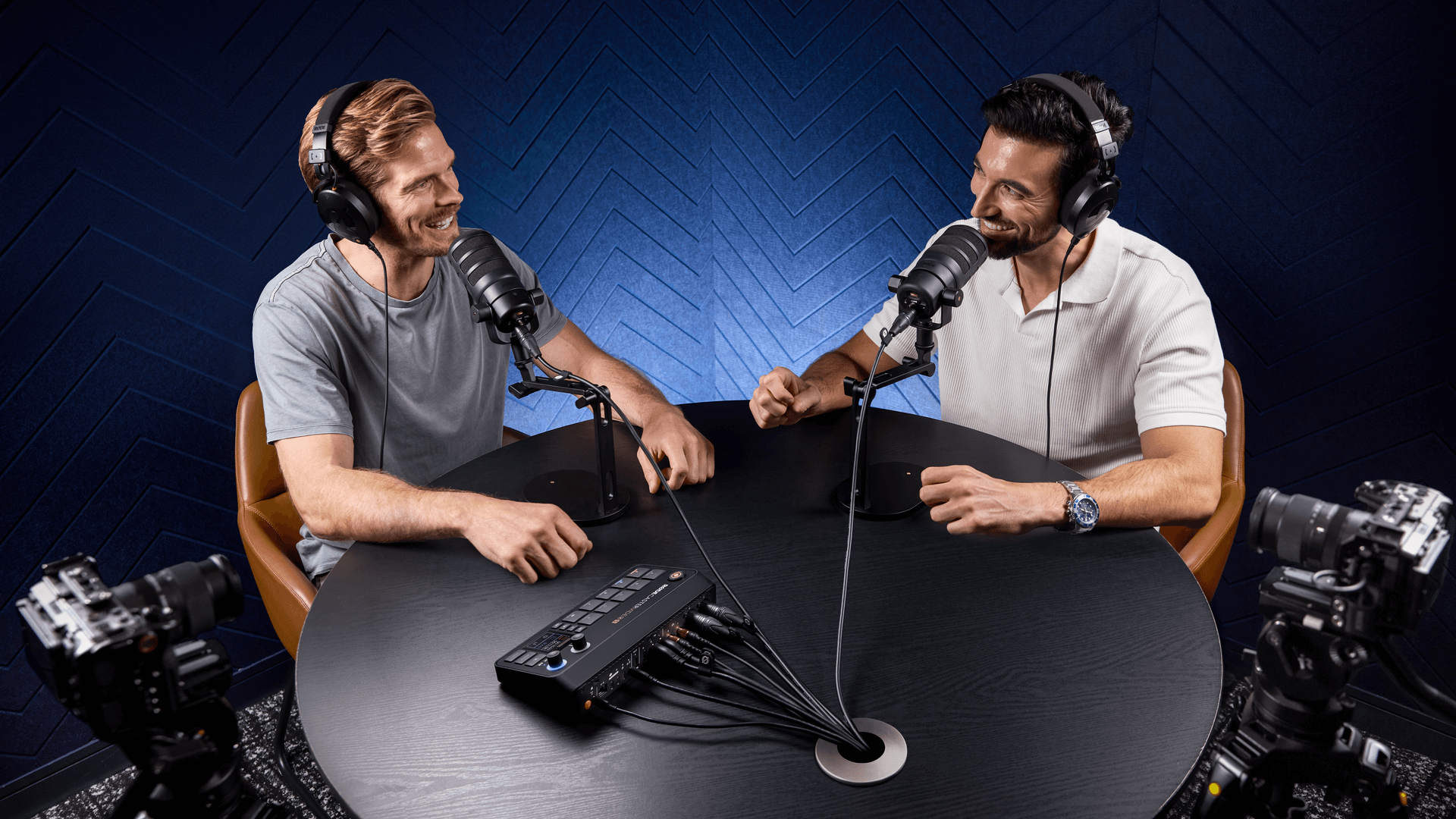
While podcasts were originally designed as audio-only content, many creators now produce video versions of their shows.
This allows audiences to watch as well as listen, creating new opportunities for engagement.
Where People Watch Video Podcasts
Among viewers who watch podcast videos, the survey shows overwhelming dominance by one platform:
YouTube: 72%
Instagram: ~10%
TikTok: ~10%
This data highlights how YouTube has effectively become the central hub for video podcast consumption.
Creators increasingly upload full episodes, highlights, and clips to the platform to expand their reach.
Why YouTube Dominates Video Podcast Viewing
Several factors explain why YouTube commands such a large share of video podcast viewing.
Massive Global Audience
YouTube’s enormous user base provides an instant audience for podcast creators.
Powerful Search and Discovery Tools
The platform’s recommendation algorithm helps viewers discover new podcasts based on their interests.
Flexible Viewing Options
Users can:
Watch full episodes
Skip to highlights
View short clips shared on social media
This flexibility makes YouTube particularly appealing for podcast fans.
Podcasts Are Becoming a Core Part of Daily Media Habits
The stability in weekly podcast listening suggests the medium has transitioned from a novelty to a routine part of everyday media consumption.
For millions of Americans, podcasts now accompany daily activities such as:
Commuting to work
Exercising
Cooking or cleaning
Traveling
Relaxing before bed
Because episodes can be downloaded and listened to offline, podcasts are also convenient in situations where internet access may be limited.
How Advertisers Are Responding to Podcast Growth
As podcast audiences grow, advertisers are paying closer attention to the medium’s potential.
Podcast advertising has several advantages:
Highly engaged audiences
Niche targeting opportunities
Personal endorsements from hosts
Many listeners trust podcast hosts and view them as authentic voices, making advertising messages more persuasive than traditional commercials.
Brands are increasingly allocating marketing budgets toward podcast sponsorships and branded content.
The Business of Podcasting: A Rapidly Expanding Industry
The podcast sector has evolved into a multi-billion-dollar industry driven by several revenue streams:
Advertising and sponsorships
Subscription models
Exclusive platform deals
Live events and tours
Merchandise sales
Major media companies, streaming platforms, and independent creators are all competing to capture a share of the growing market.
Investment in podcast production continues to rise as audiences expand.
Challenges Facing the Podcast Industry
Despite its strong growth, podcasting also faces several challenges.
Content Saturation
With millions of podcasts available, discoverability can be difficult for new creators.
Platform Fragmentation
Different podcasts may be exclusive to certain apps, forcing listeners to use multiple platforms.
Measurement and Analytics
Compared to traditional broadcast media, audience measurement for podcasts is still evolving.
However, improvements in data tracking and analytics are helping advertisers better understand listener behavior.
The Future of Podcasting: What Comes Next?
Industry experts believe podcasting will continue evolving as technology and audience habits change.
Several trends are expected to shape the next phase of growth:
1. Expansion of Video Podcasts
Video formats are likely to become increasingly common, especially as creators aim to reach audiences on visual platforms.
2. Integration With Smart Devices
Smart speakers, connected cars, and wearable devices are making it easier than ever to access podcasts.
3. More Professional Production
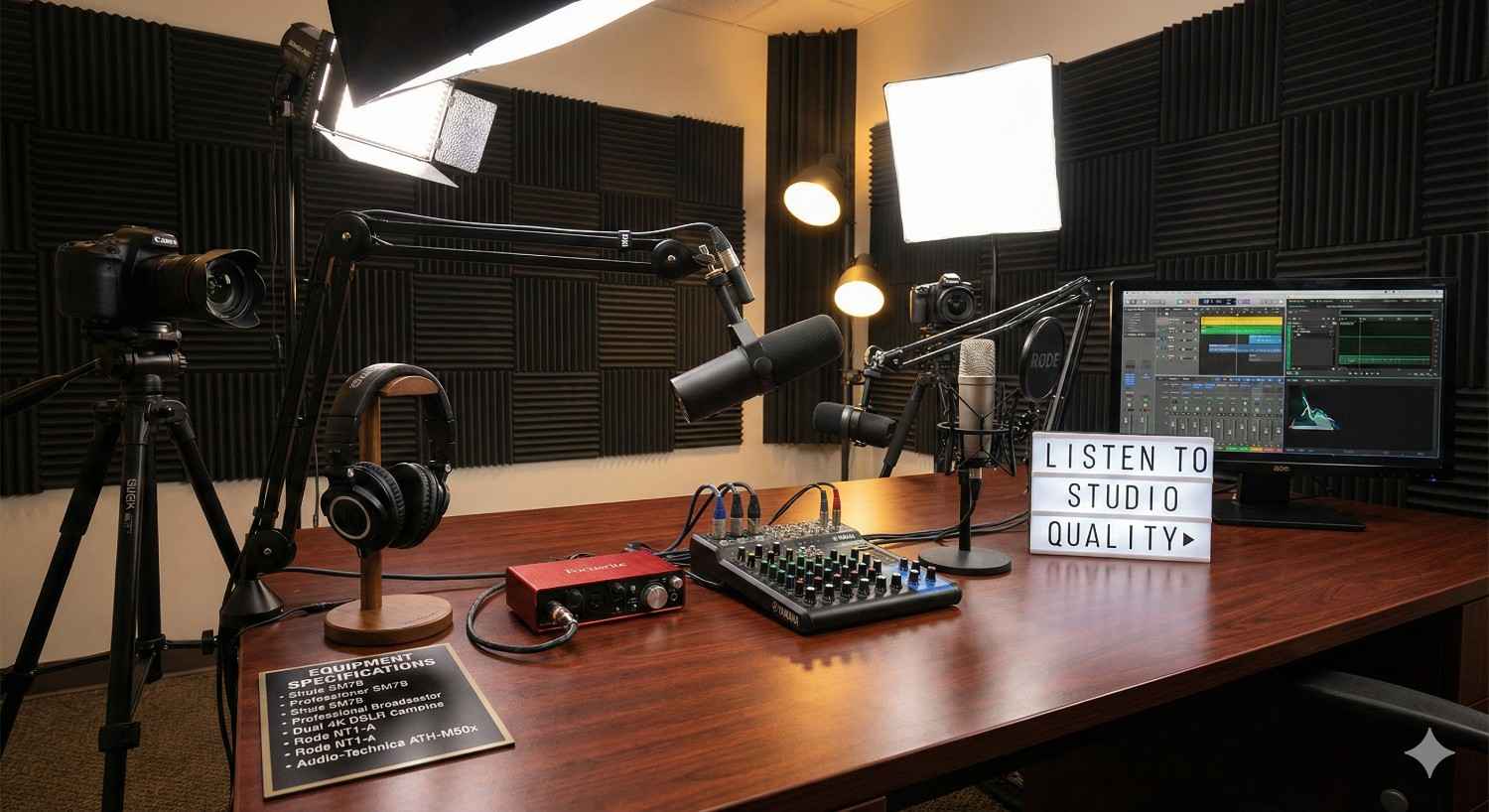
As competition grows, podcasts may increasingly resemble high-quality radio and television productions.
4. Global Audience Expansion
While the latest survey focuses on the United States, podcast growth is also accelerating worldwide.
Key Takeaways From the 2026 Podcast Listening Survey
The latest research offers several important insights into the evolving audio landscape.
Major findings include:
40% of U.S. adults aged 25–64 now listen to podcasts weekly
The number has remained stable after a major surge during the 2025 election year
Podcast listening is strongest among men and adults aged 25–44
Urban areas and large radio markets report higher listening rates
Podcast growth did not reduce radio or streaming usage
AM/FM radio still reaches 84% of adults weekly
YouTube dominates video podcast viewing with 72% share
Together, these trends suggest podcasts are no longer a niche medium—they are now a major pillar of modern audio consumption.
Final Thoughts: Podcasts Have Secured Their Place in the Media Landscape
The new survey indicates that podcasting has crossed an important threshold.
After years of rapid growth and experimentation, the medium has reached a point where tens of millions of listeners consider podcasts part of their weekly routine.
While traditional radio still commands the largest reach, podcasts provide something different: deeper storytelling, niche communities, and flexible listening on demand.
The fact that the audience gains from the election year surge have remained intact in 2026 suggests podcasting’s growth is not temporary.
Instead, it marks the continued transformation of how people discover information, entertainment, and conversation in the digital age.