Nicky Campbell Launches Don’t Say a Word Podcast on BBC Sounds Exploring Language and Cancel Culture
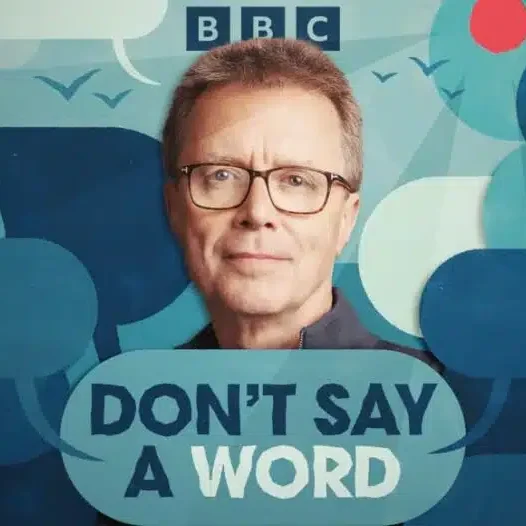
Nicky Campbell is stepping into a new era of broadcasting with the launch of his latest podcast, Don’t Say a Word, a weekly series from BBC Radio 5 Live that dives headfirst into one of the most divisive issues of our time — language, identity and who decides what can and cannot be said.
After 25 years at the helm of the station’s iconic phone-in programme, Campbell is now embracing the on-demand revolution, bringing his signature interviewing style to a format designed for deeper, more reflective conversations.
The first two episodes are now streaming on BBC Sounds from today, 3 March, with new episodes dropping weekly.
Historical art is re-examined through modern lenses
“Don’t Say a Word” arrives at a moment when conversations around language are no longer academic — they are emotional, political and deeply personal.
Campbell’s new series examines how the boundaries of expression are shifting and asks the central question:
Who decides where the limits are now?
Why Nicky Campbell Is Moving Into Podcasting Now
For more than two decades, Campbell has been one of Britain’s most recognisable voices in live radio. His tenure at BBC Radio 5 Live built a reputation for handling complex social issues with empathy and rigour.
Now, the award-winning broadcaster — who won the British Podcast Award for Best Interview in 2023 — says the time is right to move beyond reactive phone-ins and into more considered storytelling.
In his own words:
“We’re living in a time where words carry more weight than ever and sometimes, more risk. This podcast is about asking the difficult questions, having honest conversations, and debating the absurdity of it all. There’s a lot to say about not being able to say things.”
That tension — between expression and restraint — is the heartbeat of the series.
What “Don’t Say a Word” Is Really About
The podcast isn’t about policing speech. Nor is it about mocking social sensitivity. Instead, it sits in the complicated middle ground.
Each episode explores:
How language evolves
Why certain terms fall out of favour
Whether intent matters more than impact
Who gets to decide what is offensive
How art and entertainment are being reinterpreted
It blends interviews, music and recurring features to keep discussions layered and nuanced.
Casting Controversies and the “Lived Experience” Debate
One of the early episodes tackles one of the most heated discussions in entertainment: Should lived experience determine who plays certain roles?
Actor and disability advocate Adam Pearson joins Campbell to discuss representation and why he believes he is the right person to portray the Elephant Man.
The conversation delves into:
Authentic representation in film and television
Opportunities for disabled performers
The balance between artistic freedom and social responsibility
Whether identity should be a casting requirement
It’s a debate that has shaped Hollywood, British television and streaming platforms alike — and shows no signs of cooling down.
Comedy in 2026: What’s a Right Laugh and What’s a Wrong One?
Another standout episode explores humour in the age of hypersensitivity.
Questions raised include:
Are comedians being unfairly censored?
Has audience sensitivity evolved — or narrowed?
Is context enough to protect controversial jokes?
Should historical comedy be judged by modern standards?
Campbell invites guests to unpack whether society has become too cautious — or simply more aware.
The topic taps into ongoing culture-war debates that continue to dominate headlines and social feeds.
Is the Word “Brainstorm” Offensive?
In a segment that highlights how everyday language can spark unexpected controversy, the podcast questions whether terms like “brainstorm” may be considered insensitive.
The debate reflects wider discussions about:
Workplace inclusivity
Linguistic accessibility
The power dynamics embedded in common phrases
These conversations show how language once deemed neutral can acquire new interpretations over time.
Christianity, Feminism and the Language Divide
Another episode investigates how traditional Christian terminology may disadvantage feminists or reinforce patriarchal structures.
The discussion examines:
Gendered religious language
Institutional tradition versus progressive reform
The impact of liturgical wording on belief systems
It’s a bold inclusion in a series that clearly isn’t afraid to challenge deeply embedded societal norms.
The Michael Jackson Question: Art vs Artist
One of the most anticipated episodes features an interview with Dan Reed, director of Leaving Neverland.
The episode revisits the ongoing debate around Michael Jackson and why his music continues to divide radio playlists worldwide.
The discussion explores:
Can art be separated from the artist?
Should broadcasters remove controversial figures from rotation?
Do audiences have the final say?
What responsibility do platforms hold?
Years after the documentary’s release, Jackson remains one of the most polarising figures in modern music history — making this episode especially timely.
Musical Moments and “The Navigation Arms”
Unlike a standard interview podcast, “Don’t Say a Word” includes carefully curated musical segments tied to each episode’s theme.
A recurring feature titled The Navigation Arms invites guests to unpack social taboos and linguistic grey areas in an informal yet revealing setting.
Contributors lined up include:
Stuart Maconie
Sara Cox
Victoria Derbyshire
Their varied perspectives ensure a lively cross-section of opinions, spanning broadcasting, journalism and cultural commentary.
Why This Podcast Could Dominate UK Podcast Charts
Several factors position “Don’t Say a Word” for strong performance:
1. Topical Relevance
Cultural and language debates drive online engagement and social shares — prime territory for Google Discover visibility.
2. Established Host
Campbell’s credibility and long-standing BBC presence bring authority and trust — essential for audience retention.
3. Format Flexibility
On-demand listening allows for longer, deeper conversations than live radio.
4. Built-in BBC Platform
Distribution via BBC Sounds ensures immediate reach across UK audiences.
The Bigger Picture: The Future of Public Debate
The podcast reflects a broader transformation in media.
Traditional live radio thrives on immediacy. Podcasting allows space for nuance. In a digital landscape where outrage can travel faster than context, long-form discussion offers a counterbalance.
Campbell’s move signals a recognition that audiences want more than headlines — they want exploration.
The series sits at the intersection of:
Culture wars
Media ethics
Identity politics
Free speech debates
Social evolution
Few topics dominate public discourse more consistently.
Early Reaction and Social Media Buzz
Within hours of release, the podcast began trending across social media platforms, with listeners praising:
Its balanced tone
Willingness to tackle uncomfortable questions
Intelligent guest selection
Musical integration
The show’s title alone — “Don’t Say a Word” — invites curiosity and signals its central paradox.
Where to Listen
The first two episodes are available now on BBC Sounds.
New episodes will be released weekly, with additional guest announcements expected in the coming weeks.
Listeners can stream via:
BBC Sounds app
Web browser
Smart speakers
Mobile devices
What This Means for BBC Radio 5 Live
The launch marks a strategic expansion into the competitive podcast market while maintaining the station’s reputation for intelligent public conversation.
For BBC Radio 5 Live, this is more than a new show — it is an adaptation to shifting audience behaviour.
On-demand audio consumption continues to rise in the UK, particularly among younger demographics who expect flexible listening options.
Campbell’s pivot could signal more legacy broadcasters embracing long-form podcast formats.
Final Thoughts: A Timely, Risk-Aware Conversation
“Don’t Say a Word” arrives at precisely the right cultural moment.
At a time when:
Social media amplifies outrage
Public figures face scrutiny over historic comments
Institutions reassess language policies
Audiences demand accountability
The podcast promises to explore the grey zones rather than retreat into extremes.
And perhaps most importantly, it invites listeners not just to react — but to reflect.