iHeartMedia Launches Free Video Podcasts on iHeartRadio, Challenging YouTube & Spotify
iHeartMedia has announced plans to introduce full-length video podcasts on iHeartRadio—completely free for creators. The announcement reinforces the company’s long-standing “Creators First” philosophy, positioning iHeartRadio as a rare major platform that expands distribution without demanding revenue cuts or ownership concessions.
As video continues to gain traction in the podcasting world, iHeart’s decision stands in stark contrast to competitors like YouTube and Spotify, which typically claim 40–50% of creator revenue from video content. Instead, iHeartMedia is doubling down on its belief that reach, ownership, and monetization control should remain firmly in creators’ hands.
iHeartRadio Expands Beyond Audio Without Changing the Rules
Beginning in early 2026, podcasters will be able to publish full-length video episodes directly to iHeartRadio’s mobile app and web platform, alongside their traditional audio episodes.
What makes this expansion notable is not just the addition of video—but how it’s being implemented.
Key Highlights of the iHeart Video Podcast Rollout
✅ No hosting or distribution fees
✅ No revenue sharing requirements
✅ Creators retain full ownership
✅ Distribution via existing RSS feeds
✅ Optional video, audio-only, or hybrid publishing
Creators will not need to upload content separately or enter exclusive agreements. Instead, video episodes will flow seamlessly through RSS, preserving the open architecture that podcasting was built on.
Why This Move Matters in Today’s Podcast Economy
Over the past two years, video podcasting has exploded—largely driven by platforms that prioritize visual-first consumption and ad monetization. However, that growth has also introduced new friction points for creators.
The Growing Frustration Among Podcast Creators
Many podcasters have expressed concerns that:
Platforms prioritize algorithmic visibility over creator independence
Revenue splits heavily favor platforms
Video requires exclusive hosting arrangements
Monetization terms are opaque or constantly changing
iHeartMedia’s announcement directly addresses these concerns by removing financial barriers while expanding distribution options.
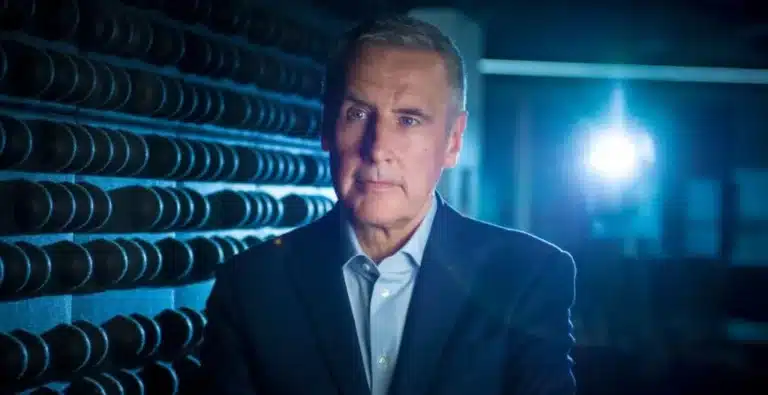
Bob Pittman: “Video Is an Addition—Not a Replacement”
iHeartMedia Chairman and CEO Bob Pittman emphasized that audio remains the foundation of podcasting—but video is becoming an important complementary layer.
“Audio is still the backbone of podcasting and the reason this industry grew so quickly,” Pittman said. “But video is now emerging as a completely separate and incremental format—not a replacement.”
Pittman compared video podcasting to the early days of podcasting itself, which once existed as an extension of traditional radio.
“Just as podcasting added a new layer on top of broadcast radio, video is becoming another layer creators can choose to use.”
A Platform Strategy Built Around Creator Control
Unlike competitors that push creators into video-first workflows, iHeartRadio’s model is opt-in and creator-defined.
Creators Decide:
How their podcast appears (audio, video, or both)
Where else their content is distributed
How monetization is handled
Which formats best serve their audience
This approach ensures that video remains an opportunity—not an obligation.
iHeartMedia’s “Creators First” Strategy in Action
The video podcast expansion is the latest step in iHeartMedia’s broader Creators First initiative, which focuses on:
Preserving open podcast standards
Avoiding exclusivity traps
Supporting creator-led monetization
Expanding reach without ownership loss
Pittman reinforced this philosophy during the announcement:
“Providing video distribution for free is consistent with how podcasting was built in the first place. Creators come first—and they always will.”
How iHeart’s Model Differs From YouTube and Spotify
Platform Comparison Snapshot
Feature
iHeartRadio
YouTube
Spotify
Revenue Share
0%
~45%
~40%
Hosting Control
Creator-owned
Platform-hosted
Platform-hosted
RSS Support
Yes
No
Limited
Exclusivity
None
Algorithmic
Often encouraged
Audio-First Friendly
Yes
No
Partial
This stark difference could make iHeartRadio especially appealing to independent creators, networks, and legacy podcasters looking to expand into video without financial trade-offs.
Conal Byrne: Scale Without Sacrificing Independence
Conal Byrne, CEO of the iHeartMedia Digital Audio Group, highlighted how iHeart’s scale benefits creators navigating an increasingly fragmented media landscape.
“When creators become stars, their content naturally becomes more valuable across formats,” Byrne said. “That includes video—but creators shouldn’t have to give up control to get there.”
Byrne emphasized that iHeartMedia’s position as the No. 1 podcast publisher in the U.S. allows it to offer reach, credibility, and technical support—without locking creators into restrictive agreements.
RSS-Based Video: A Potential Industry Shift
One of the most significant technical aspects of iHeart’s rollout is its continued reliance on RSS feeds, even for video.
Why This Matters
Maintains podcasting’s open ecosystem
Enables easier cross-platform distribution
Encourages other apps to support video podcasts
Prevents platform lock-in
Industry analysts suggest this could accelerate RSS-based video adoption across the podcast industry in 2026.
Audio Still Dominates Podcast Consumption
Despite the buzz around video, research shows that audio remains the dominant form of podcast engagement.
Key Findings from Recent Industry Research
A study conducted in October by Quantilope, commissioned by Cumulus Media and Signal Hill Insights, revealed:
🎧 92% of weekly podcast consumers listened to audio
📺 8% exclusively watched podcasts
🔄 75% both listened and watched
🎙️ 17% listened to audio only
These trends have remained consistent since 2022, reinforcing that video complements audio rather than replacing it.
What This Means for the Podcast Industry in 2026
iHeartMedia’s decision could have far-reaching implications:
Potential Industry Impact
Increased pressure on platforms charging high revenue cuts
Renewed focus on open podcast standards
Greater creator leverage in distribution negotiations
Wider adoption of video without exclusivity
For creators, this move represents choice without compromise.
Final Takeaway: A Creator-Centric Future Takes Shape
At a time when many platforms are tightening control over content and revenue, iHeartMedia is betting on freedom, flexibility, and trust.
By offering free full-length video podcast distribution, iHeartRadio is not just adding a feature—it’s making a statement about what the future of podcasting should look like.