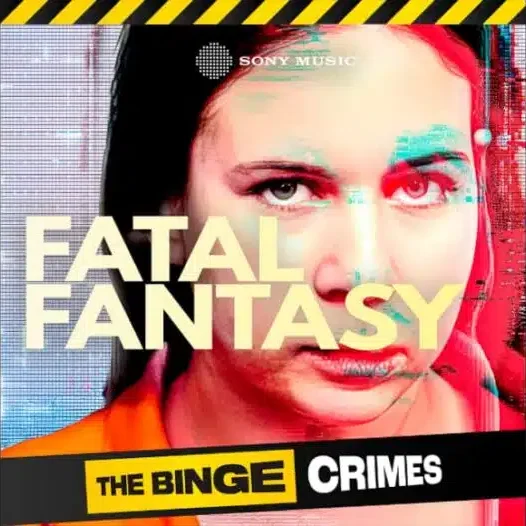
Fatal Fantasy Podcast: How a LARP Game Became Linked to a Real-Life Murder in Virginia
Sony Music Entertainment has launched Fatal Fantasy, a podcast that dives deep into a chilling case where a live-action role-playing game allegedly spiraled into manipulation, obsession, and murder.
Released on 3 March 2026, the investigative audio series revisits the 2001 killing of Dr. Robert Schwartz in Virginia — a case that stunned a quiet community just weeks before Christmas and continues to spark debate about fantasy, mental health, and the psychology of violence.
Hosted by renowned investigative journalist and author M. William Phelps, the series explores how a dark fantasy role-playing world known as The Underworld became linked to a real-life tragedy.
Below is a comprehensive breakdown of the case, the podcast’s themes, and why Fatal Fantasy is already shaping up to be one of 2026’s most talked-about true crime releases.
In December 2001, the quiet calm of suburban Virginia was shattered when Dr. Robert Schwartz was discovered stabbed to death inside his own home. The respected physician’s killing stunned neighbors and left investigators scrambling for answers.
What Detectives Found at the Scene
Early reports from the crime scene described unsettling elements:
Symbols and markings that appeared ritualistic
Evidence that initially pointed toward occult activity
Items that suggested possible links to witchcraft or satanic practices
For a brief period, authorities pursued the theory that the murder may have involved a cult. However, as forensic analysis and interviews progressed, a different narrative began to emerge — one rooted not in occult ritual, but in fantasy role-play gone dangerously wrong.
The Underworld: A Fantasy Game With Dark Undertones
At the heart of the investigation was a live-action role-playing (LARP) game called The Underworld. Unlike traditional tabletop role-playing games, LARP involves participants physically acting out their characters’ roles, often in elaborate costumes and immersive storylines.
What Is LARP?
Live-action role-playing allows players to:
Create fictional characters
Engage in scripted or semi-scripted scenarios
Physically act out storylines
Interact in shared fantasy worlds
While LARP communities worldwide emphasize creativity and camaraderie, Fatal Fantasy examines what can happen when psychological vulnerabilities and manipulative personalities infiltrate such spaces.
According to the podcast, The Underworld was a dark fantasy universe allegedly crafted by an unexpected architect — someone whose influence extended beyond storytelling and into the personal lives of participants.
From Fiction to Fatal Reality
As investigators dug deeper into the Schwartz murder, their attention shifted from occult speculation to a small group of young adults involved in the game.
Key Questions Explored in the Podcast
The series examines several unsettling possibilities:
Did the game blur psychological boundaries for participants?
Was fantasy used as a tool for emotional control?
Could immersive role-play mask real-world manipulation?
Where does mental illness intersect with violent action?
Host M. William Phelps frames the story not merely as a crime narrative but as a psychological study.
“What makes this series vitally relevant today,” Phelps explains in the podcast, “is its fundamental look into what is a common question within true crime: Where does mental illness and psychopathy intersect when we talk about murder?”
Inside the Mind of a Killer
One of the podcast’s most compelling features is its access to voices closely tied to the case, including:
Investigators who worked the original homicide
Friends and acquaintances of the victim
The convicted killer
Through interviews and archival research, Phelps reconstructs the psychological descent that allegedly transformed make-believe into calculated violence.
Rather than sensationalizing the fantasy angle, Fatal Fantasy takes a measured approach, focusing on behavioral patterns, warning signs, and the incremental steps that led to tragedy.
True Crime in the Age of Psychological Awareness
True crime has evolved dramatically over the past decade. Audiences now expect more than just recounting grisly details — they seek context, motive analysis, and ethical exploration.
Why This Story Resonates in 2026
The themes explored in Fatal Fantasy feel especially timely:
Growing public awareness of mental health issues
Online and offline communities built around fantasy worlds
Questions about influence, coercion, and group dynamics
The psychological power of immersive storytelling
In an era when virtual worlds, gaming communities, and online identities play a significant role in everyday life, the line between fiction and reality can sometimes appear thinner than ever.
Who Is M. William Phelps?
The host of Fatal Fantasy, M. William Phelps, is no stranger to complex homicide cases.
With nearly 50 true crime books to his name, Phelps has built a career on:
Deep investigative research
First-person interviews with perpetrators
Victim-centered storytelling
Psychological analysis
His reputation for methodical reporting and narrative depth positions Fatal Fantasy as more than just another crime podcast — it’s an investigative deep dive anchored by decades of expertise.
The Psychological Intersection: Fantasy, Control and Psychopathy
At the core of the series lies a profound question: When does imagination become manipulation?
Psychologists have long studied how immersive environments can influence perception and identity. While role-play itself is not inherently harmful, experts caution that certain factors may increase vulnerability:
Charismatic leadership within groups
Emotional isolation of participants
Pre-existing mental health conditions
Reinforcement of delusional narratives
The podcast reportedly explores how these elements converged in the Schwartz case, presenting it as a cautionary tale rather than an indictment of gaming culture.
The Victim: Remembering Dr. Robert Schwartz
Amid the psychological intrigue, the series keeps focus on the human cost.
Dr. Schwartz was described by colleagues and neighbors as:
Dedicated to his profession
Devoted to his family
Active within his community
By revisiting his life and legacy, the podcast ensures the story does not become solely about the perpetrator or the sensational aspects of the crime.
Streaming Details: Where to Listen
Fatal Fantasy is available immediately for subscribers to The Binge platform.
Listeners can also access the series on major podcast platforms including:
Apple Podcasts
Spotify
Stitcher
With all episodes released at once, the show is primed for binge listening — a strategy that has proven highly effective in driving podcast chart rankings and social media conversation.
The Broader Conversation: Is Fantasy to Blame?
One of the most important distinctions made in the series is that fantasy gaming itself is not inherently dangerous. Millions of people participate in role-playing games worldwide without incident.
However, the podcast argues that:
Fantasy can be weaponized by manipulative individuals
Psychological fragility can be exploited
Groupthink may override moral judgment
The story ultimately becomes less about LARP and more about power, persuasion, and personal accountability.
The True Crime Boom Continues
The release of Fatal Fantasy underscores the continued dominance of true crime in podcasting.
Industry analysts note that:
True crime consistently ranks among top podcast genres
By combining immersive storytelling with psychological inquiry, Sony Music positions this series squarely within current audience demand.
A Tale for the Digital and Fantasy Age
In his closing reflections, Phelps calls the case a cautionary tale — not about gaming culture broadly, but about the fragile boundary between imagination and reality when mental illness, manipulation, and obsession converge.
As immersive entertainment continues to expand — from LARP communities to virtual reality platforms — the themes raised in Fatal Fantasy feel less like a story from the past and more like a warning for the future.