BBC Sounds Launches ‘The Rise and Fall of Madchester’ Podcast Ahead of 6 Music Festival 2026
BBC Sounds has unveiled a brand-new eight-part podcast series exploring the legendary Madchester era. Titled The Rise and Fall of Madchester, the series arrives just weeks before the highly anticipated 6 Music Festival in Greater Manchester, reigniting conversations around the city that changed British music forever.
The podcast promises a deep dive into the late 1980s and early 1990s — a time when gritty guitar riffs collided with acid house beats, and Manchester emerged as the epicentre of a youth-driven cultural revolution.
A Journey Into the Heart of the Madchester Movement
Hosted by respected music broadcaster Steve Lamacq and cultural PR creative Alison Bell, the series traces the seismic rise of the Madchester sound — and its dramatic decline.
The podcast revisits:
The birth and cultural dominance of Factory Records
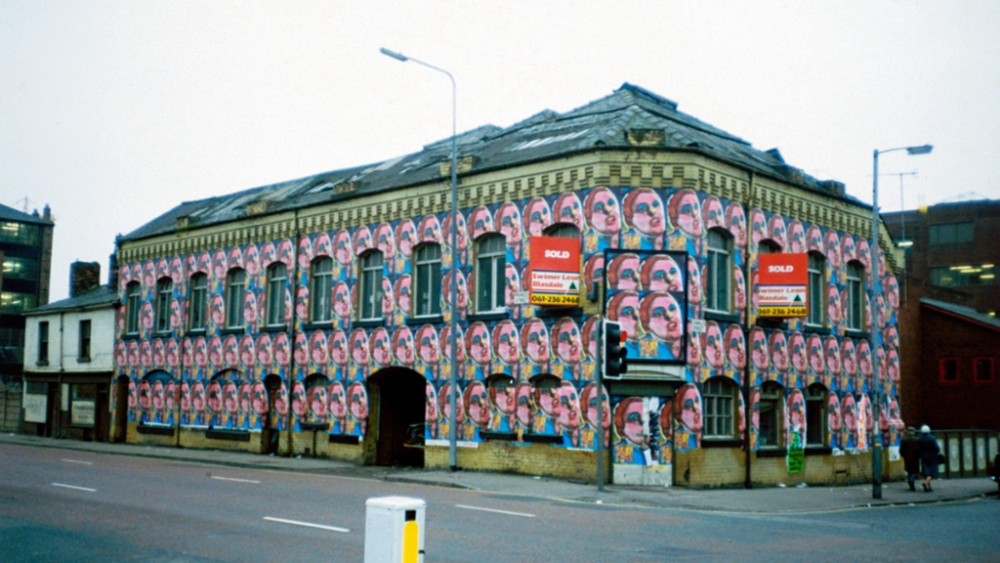
The iconic nightclub The Haçienda
The meteoric rise of bands like:
The Stone Roses
Happy Mondays
New Order
At its core, the series captures the moment where indie rock culture met underground club energy — a fusion that birthed an entire movement.
Why Madchester Still Matters in 2026
More than three decades later, the Madchester phenomenon continues to influence artists, designers, DJs, and cultural thinkers.
This new BBC project examines how:
Guitar-driven bands embraced dance rhythms
Club culture reshaped youth identity
Independent labels challenged industry norms
Manchester became a global music capital
The late 80s and early 90s were not just about chart hits — they represented a shift in attitude, fashion, and freedom.
Rare Archive Footage and Fresh Voices
One of the strongest elements of the podcast is its use of exclusive BBC archive material combined with new interviews.
Archive voices include:
Ian Curtis of Joy Division
Bernard Sumner
Shaun Ryder
Bez
Singer Rowetta
Broadcaster and Factory co-founder Tony Wilson
Bassist Mani
Keyboardist Gillian Gilbert
Meanwhile, new contributions come from:
Musician and A&R executive Mike Pickering
Haçienda manager Ang Matthews
Musician and poet Kermit Leveridge
The Stone Roses’ tour manager Steve Atherton
Tim Booth of James
Designer and shop owner Leo B Stanley
These voices offer insider perspectives on how the scene exploded — and why it eventually burned out.
The Haçienda: Where It All Came Together
No discussion of Madchester is complete without The Haçienda.
Opened by Factory Records and New Order, the venue became synonymous with:
Acid house culture
All-night raves
Baggy fashion
Youth rebellion
It was more than a club — it was a cultural laboratory.
Launch Date and Broadcast Details
The podcast officially launches on Monday 16 March exclusively on BBC Sounds.
It will also be broadcast on 6 Music overnight from 12am to 2am on Sunday into Monday, 23 March.
The release forms part of BBC Radio 6 Music’s broader editorial focus around the 6 Music Festival, spotlighting the city that defined a generation.
Madchester’s Rise: From Post-Punk to Dancefloor Revolution
The Madchester story begins in the shadow of industrial decline. As factories closed across northern England, music venues and independent labels filled the cultural vacuum.
Factory Records, co-founded by Tony Wilson, gave artists creative freedom rarely seen in the industry. Meanwhile, The Haçienda brought Chicago house and Balearic sounds to UK audiences.
When bands like The Stone Roses blended psychedelic guitar hooks with danceable grooves, the blueprint was complete.
The Fall: Excess, Economics and Changing Tastes
Yet the movement’s dominance was brief.
The early 90s saw:
Financial troubles for The Haçienda
Label struggles at Factory Records
Internal band tensions
The rise of Britpop shifting the musical spotlight
The podcast reportedly explores these challenges candidly, offering a balanced look at both the euphoria and the chaos.
Cultural Legacy: Beyond Music
Madchester’s influence extended far beyond vinyl records.
It shaped:
Street fashion (bucket hats, oversized silhouettes)
Graphic design aesthetics
Independent label models
Festival culture
Northern creative identity
Even today, contemporary artists cite the era as a foundational inspiration.
Why This Podcast Could Dominate Google Discover
With nostalgia-driven content trending and music documentaries performing strongly across platforms, The Rise and Fall of Madchester arrives at a strategic moment.
Key reasons it may resonate widely:
Cross-generational appeal
Strong Manchester identity
Rich archival storytelling
Festival tie-in marketing
BBC’s trusted authority
As audiences seek deeper cultural storytelling, this series positions itself as both documentary and time capsule.
What Listeners Can Expect From Each Episode
Though episode breakdowns remain under wraps, the eight-part structure suggests thematic arcs such as:
Manchester Before Madchester
The Birth of Factory Records
The Haçienda Experiment
The Stone Roses Breakthrough
Rave Culture Explosion
Media Frenzy and Commercial High
Cracks in the Movement
The Aftermath and Legacy
Each installment is expected to blend archive recordings, storytelling, and modern reflection.
A Timely Tribute to a Defining Era
As the 6 Music Festival shines a spotlight on Manchester once again, the BBC’s new series offers both reflection and rediscovery.
For older fans, it’s nostalgia. For younger listeners, it’s education. For music historians, it’s essential documentation.
Madchester may have peaked decades ago, but its pulse still beats — and this podcast aims to capture it.