AI Revives Lost Hollywood Projects in ‘Films Not Made’ Podcast Launching March 2026
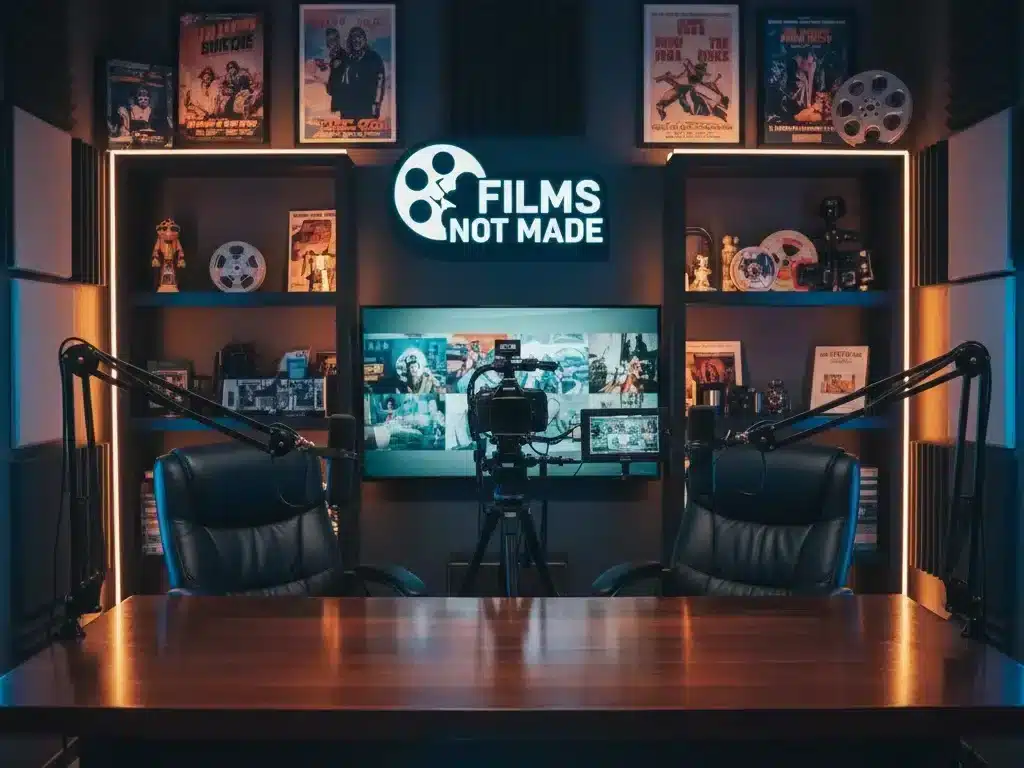
In a bold fusion of artificial intelligence and Hollywood storytelling, a new video podcast titled Films Not Made is preparing to resurrect some of cinema’s most intriguing lost projects. Launching on 3 March 2026, the weekly series promises to do something no film podcast has done before — visually recreate abandoned, rejected and stalled movie projects using generative AI.
At a time when artificial intelligence is reshaping everything from screenwriting to post-production, Films Not Made positions itself at the cutting edge of creative technology. Instead of merely discussing unproduced scripts, the show will generate AI-crafted trailers, stills and cinematic scenes — giving audiences a glimpse into films that never reached the big screen.
With award-winning producers Avi Zev Weider and Amy Hobby at the helm, the series aims to merge industry storytelling with visual experimentation in ways that could redefine how creative projects are remembered — and reimagined.
A Podcast That Turns Hollywood’s “What Ifs” Into Visual Reality
Hollywood is filled with projects that never see the light of day. Scripts languish in development hell. Casting deals collapse. Studio funding evaporates. Creative disagreements derail years of work.
For decades, these lost films existed only as anecdotes told in industry circles. But Films Not Made changes that.
What Makes the Podcast Different?
Unlike traditional film podcasts that center on interviews and retrospective commentary, this show introduces:
AI-generated trailers inspired by original scripts
Reconstructed film stills based on casting plans
Visual scene interpretations from abandoned screenplays
On-screen demonstrations of AI tools used in film visualization
Conversations with creators revisiting shelved projects
This hybrid format — part documentary, part tech showcase — brings an entirely new sensory dimension to storytelling.
The Vision Behind ‘Films Not Made’
The podcast is hosted by industry veterans Avi Zev Weider and Amy Hobby, whose combined experience spans decades in film and television production.
Their concept is simple yet powerful:
Give filmmakers closure. Give audiences access. Use AI to bridge imagination and reality.
According to the producers, many creators never fully process the emotional journey of an abandoned project. Years of development, rewrites and pitching can vanish without a trace.
This series offers:
A creative reckoning
A professional post-mortem
A technological reimagining
By combining conversation with generative AI demonstrations, the podcast opens a new pathway for unfinished art.
How Generative AI Is Powering the Project
Artificial intelligence is already transforming visual effects, animation, dubbing and editing. Now, it’s stepping into the development phase.
What the AI Does in Each Episode
Each installment of Films Not Made will:
Analyze the original script or concept
Generate visual references based on genre and tone
Create AI-rendered stills and conceptual scenes
Assemble short trailer-style edits
Present these visuals during the conversation
The result? A cinematic “what could have been.”
While the producers emphasize these are interpretative visualizations — not definitive versions — the technology allows audiences to imagine these films with surprising clarity.
Why This Matters for Screenwriters and Filmmakers
For creatives, development failure can be devastating. Industry insiders often refer to the phenomenon as “development purgatory” — projects stuck between greenlight and cancellation.
The podcast provides valuable insights into:
Why studios reject promising scripts
The financial realities behind film production
Casting complexities and scheduling conflicts
Market timing and genre trends
The impact of executive leadership changes
Aspiring screenwriters can gain rare access to these behind-the-scenes dynamics, making the show both educational and emotionally resonant.
The Emotional Impact of Reviving Unfinished Films
There is something uniquely haunting about unmade films. Many have attached A-list talent, ambitious budgets or visionary directors — yet never materialize.
By recreating visual moments from these lost stories, Films Not Made taps into a powerful psychological space:
Nostalgia for cinema that never existed
Curiosity about alternative film histories
Emotional closure for creators
Creative inspiration for audiences
It transforms industry failure into creative exploration.
Why the Video Podcast Format Is Crucial
The decision to launch as a video podcast — rather than audio-only — reflects the visual nature of AI-generated material.
Key advantages include:
Real-time display of AI visuals
Audience engagement through visual storytelling
Social media shareability
Increased appeal for YouTube and streaming platforms
Strong alignment with Google Discover’s preference for visual content
Video podcasting is one of the fastest-growing media formats globally. Pairing it with AI-enhanced visuals gives the series a competitive edge in both tech and entertainment spaces.
AI and the Future of Film Development
The launch of Films Not Made arrives at a pivotal moment for the entertainment industry.
AI is already influencing:
Script analysis
Budget forecasting
Digital de-aging
Voice synthesis
Virtual production environments
Now, it is entering the conceptual stage — helping filmmakers visualize ideas before expensive pre-production begins.
Industry analysts believe this could:
Reduce development risk
Improve pitch presentations
Democratize concept visualization
Lower barriers for independent creators
However, it also raises pressing questions about authorship, originality and ethical AI use.
The Broader Industry Context
Hollywood has faced enormous disruption in recent years:
Streaming platform wars
Theatrical revenue volatility
Labor strikes
Rapid technological shifts
In this climate, innovation is no longer optional — it’s survival.
By merging AI with storytelling, Films Not Made represents a broader industry pivot toward hybrid creative processes.
What Viewers Can Expect From the First Season
The inaugural season will feature:
Writers revisiting unproduced passion projects
Directors explaining lost creative visions
Producers detailing financing breakdowns
AI reconstructions of key scenes
Honest discussions about rejection and resilience
Each episode is structured to balance technical exploration with emotional storytelling.
Potential Ethical and Creative Debates
As with any AI-driven project, the series may spark debate.
Key questions include:
Should AI recreate art that was never completed?
Who owns the visual interpretation of an abandoned script?
Does AI enhance creativity or dilute it?
Could studios use similar tools to replace early-stage artists?
The podcast positions itself as exploratory rather than definitive — aiming to spark conversation, not controversy.
The Intersection of Technology and Memory
At its core, Films Not Made is about memory — professional memory, creative memory and cultural memory.
Hollywood history is filled with legendary “almost” projects. Some became myths. Others were forgotten entirely.
By documenting these stories visually, the podcast acts as:
A digital archive
A storytelling experiment
A technological case study
It creates a new type of cinematic preservation.
Why This Concept Is Perfect for the 2026 Media Landscape
In 2026, audiences crave:
Behind-the-scenes transparency
AI experimentation
Hybrid media formats
Insider access
Creative authenticity
The podcast sits squarely at the intersection of all five.
Its timing aligns with:
Growing interest in AI tools
Expanding video podcast consumption
Increased curiosity about Hollywood development processes
Who Is the Target Audience?
The show appeals to multiple groups:
Industry Professionals
Screenwriters
Producers
Studio executives
Film students
Tech Enthusiasts
AI developers
Digital artists
Media futurists
Film Fans
Cinema historians
Pop culture followers
Streaming audiences
This cross-sector appeal increases its potential for viral discovery and Google Discover visibility.
How ‘Films Not Made’ Could Influence Future Productions
If successful, the format could inspire:
AI-assisted pitch decks
Concept-trailer-first development models
Archival visualization projects
Expanded pre-production AI services
Studios may begin using similar tools internally to evaluate scripts before committing to multi-million-dollar budgets.
Final Thoughts: A Bold Experiment in Storytelling
Films Not Made is more than a podcast. It is a case study in how artificial intelligence can interact with artistic ambition.
By giving visual form to cinematic dreams that never materialized, the series invites audiences to rethink what “unfinished” truly means.
In a world where technology increasingly shapes creativity, this project asks a compelling question:
If a film was never made — can AI help it live anyway?