IAB Tech Lab Launches Open-Source Tool to Reduce Programmatic Ad Waste in 2026
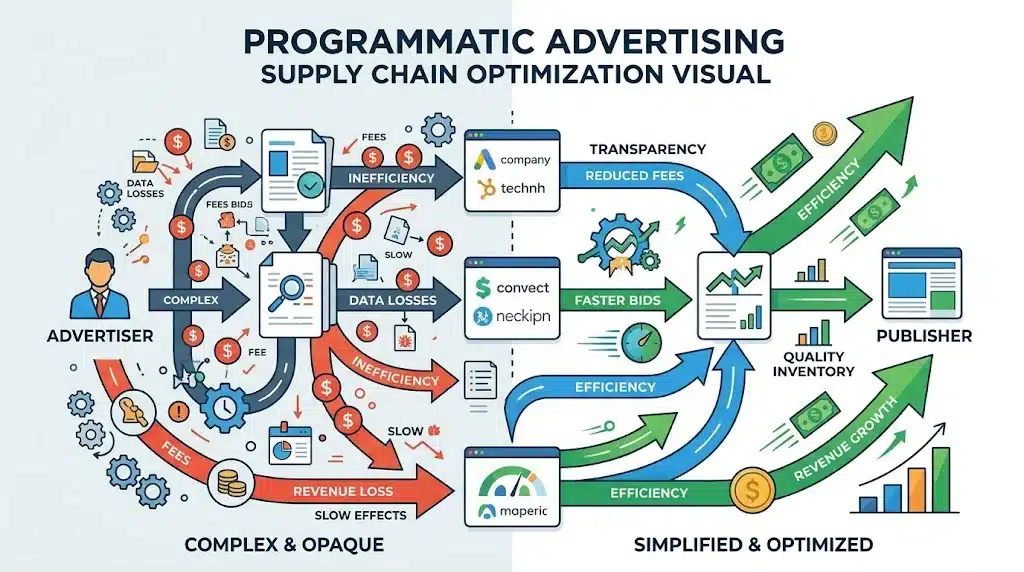
The IAB Tech Lab has introduced a powerful new open-source framework aimed at reducing inefficiencies in programmatic advertising. The initiative, centered around a technology known as the Dynamic Traffic Engine, is expected to significantly streamline how digital ads are bought and sold, while cutting unnecessary costs across the supply chain.
The announcement, made on April 15, 2026, is already generating strong interest among advertisers, publishers, and ad-tech platforms looking to optimize performance in an increasingly complex and data-driven environment.
A Strategic “Donation” to the Advertising Industry
Unlike conventional product launches, this initiative is being positioned as a “donation” to the industry—one that could deliver far greater value than traditional contributions.
Developed by Amazon Ads, the Dynamic Traffic Engine is now being handed over to the broader ecosystem through the Tech Lab’s open-source initiative. The framework is designed to enhance communication between demand-side platforms (DSPs) and supply-side platforms (SSPs), enabling more precise and efficient bidding processes.
At its core, the system introduces a smarter way for advertisers to signal their preferences—ultimately reducing waste and improving campaign outcomes.
Why Programmatic Advertising Needs a Fix
Programmatic advertising has revolutionized digital marketing by automating the buying and selling of ad inventory. However, it has also introduced significant inefficiencies, particularly in the form of:
Excessive bid requests
High queries-per-second (QPS) loads
Rising infrastructure and operational costs
Lack of transparency between buyers and sellers
These challenges have led to what industry insiders often describe as “programmatic waste”—a major pain point for both advertisers and publishers.
The new framework directly addresses these issues by enabling more intelligent data exchange across the ad supply chain.
Inside the Dynamic Traffic Engine: How It Works
The Dynamic Traffic Engine introduces a file-based signaling system that allows demand-side platforms to communicate their bidding priorities more clearly.
Key Functional Highlights
Priority-Based Bid Signals DSPs can define what types of inventory they value most—ranging from broad targeting criteria to highly specific audience segments.
Reduced Redundant Requests SSPs can use these signals to filter out low-value opportunities, dramatically cutting unnecessary bid requests.
Lower QPS Pressure By minimizing irrelevant queries, the system reduces strain on infrastructure across the ecosystem.
Improved Matchmaking Ads are served in more relevant contexts, increasing effectiveness for advertisers and monetization potential for publishers.
This smarter communication model essentially replaces guesswork with actionable data.
Industry Leaders Weigh In
A “Massive Leap” for Efficiency
According to Anthony Katsur, the initiative marks a major milestone in the evolution of programmatic advertising.
“This isn’t just about technical efficiency and cost savings—it’s about building a refined, high-performance supply chain where every bid request represents real value.”
Katsur emphasized that the new framework could help advertisers achieve stronger campaign results while enabling publishers to unlock higher revenue potential.
From Guesswork to Precision
Pieter de Zwart highlighted the long-standing disconnect between buyers and sellers in the ecosystem.
“For years, sellers have relied on assumptions about buyer intent. Now, we’re enabling real-time insight into what actually drives decisions.”
He noted that this shift toward data-driven clarity will:
Reduce wasted ad requests
Improve audience targeting
Increase efficiency across platforms
Open Source: A Collaborative Future for Ad Tech
The framework will be developed under the IAB Tech Lab’s Open Source Project, inviting collaboration from across the industry.
What This Means
Standardization A unified approach to bid-stream optimization across platforms
Extensibility Flexible architecture to support evolving use cases
Interoperability Better integration between different ad-tech systems
Industry Participation Input from working groups, developers, and stakeholders
This open model ensures that the technology evolves alongside the needs of advertisers and publishers.
The Bigger Picture: Toward a Smarter Supply Chain
The introduction of the Dynamic Traffic Engine aligns with a broader industry shift toward curated and efficient programmatic ecosystems.
Key Trends Driving This Shift
Increased focus on performance-based advertising
Demand for greater transparency
Rising costs of infrastructure and data processing
Need for sustainable ad-tech practices
By enabling demand signals to actively shape bid streams, the new framework represents a foundational step toward a more intelligent and responsive advertising infrastructure.
Impact on Advertisers and Publishers
For Advertisers
More relevant inventory access
Improved ROI on ad spend
Reduced wastage in bid requests
Better audience targeting
For Publishers
Higher-quality demand
Improved fill rates
Increased monetization efficiency
Reduced system load
Programmatic Audio Advertising Gains Momentum
The announcement also comes at a time when programmatic buying is expanding rapidly into new formats—particularly audio advertising.
Amazon Ads has recently strengthened its position in this space through partnerships with major platforms, including:
Spotify
iHeartMedia
SiriusXM
These collaborations aim to make podcast and streaming audio inventory more accessible to programmatic buyers—further expanding the reach of automated advertising.
What Comes Next?
While the framework is still in its early stages, industry experts believe it could quickly gain traction if widely adopted.
Expected Developments
Integration with existing DSP and SSP platforms
Expansion into new ad formats and channels
Continuous updates via open-source contributions
Increased adoption among global advertisers
The success of the initiative will largely depend on how effectively stakeholders collaborate to implement and refine the system.
A Turning Point for Programmatic Advertising?
The launch of the Dynamic Traffic Engine could mark a pivotal moment for the digital advertising industry.
By addressing long-standing inefficiencies and enabling smarter data exchange, the initiative has the potential to:
Redefine how ad inventory is valued
Improve trust between buyers and sellers
Create a more sustainable ad-tech ecosystem
If successful, this open-source framework may well become a cornerstone of next-generation programmatic advertising.