BBC Chernobyl Documentary 2026: New TV Show & Podcast Reveal Untold Stories of Nuclear Disaster
BBC World Service is bringing the story of Chernobyl disaster back into global focus through a compelling multi-platform release. Blending investigative journalism, human storytelling, and historical reflection, the broadcaster is launching both a television documentary and an immersive podcast series designed to reach a wide and diverse audience.
With renewed global interest driven by geopolitical tensions and the lasting environmental and human consequences of the catastrophe, this initiative reflects a growing need to revisit, reassess, and understand the legacy of Chernobyl in today’s world.
A Landmark Media Project Bridging Television and Podcast Audiences
The BBC’s latest project represents a strategic move to merge traditional broadcasting with modern digital storytelling. At the center of this initiative is What Happened at Chernobyl, a documentary that will air on BBC One and stream via BBC iPlayer.
Originally conceived as a podcast, the program has been adapted for television to ensure broader accessibility and engagement. By doing so, the BBC is tapping into both loyal radio listeners and a newer generation of visual-first viewers.
Exploration of political secrecy during the Soviet era
Examination of long-term environmental and social impacts
Timed with the 40th anniversary of the disaster
This cross-format release reflects a broader trend in media where stories are no longer confined to a single platform but expanded to maximize reach and impact.
Journalist Jordan Dunbar Leads the Investigation
At the heart of the documentary is Jordan Dunbar, a seasoned BBC journalist who travels directly to the Chernobyl site to retrace the events of April 1986.
Dunbar’s journey is both investigative and deeply personal. By walking through abandoned areas and speaking to survivors, he reconstructs a timeline of events that were once shrouded in secrecy.
What Makes Dunbar’s Approach Unique?
On-location reporting from the exclusion zone
Direct interviews with eyewitnesses
Focus on narratives previously unheard by international media
Human-centered storytelling rather than purely technical analysis
His work sheds light not only on what happened but also on why critical information was withheld from the public at the time—a question that continues to resonate in discussions about transparency and governance.
Uncovering Hidden Truths Behind the Disaster
One of the central themes of the documentary is the systematic suppression of information by Soviet authorities in the immediate aftermath of the explosion.
The reactor blast released massive amounts of radioactive material into the atmosphere, yet initial responses were marked by denial and delay.
Key Issues Explored
Delayed evacuation of nearby residents
Lack of immediate international communication
Political pressure to control the narrative
Long-term consequences of misinformation
By revisiting these aspects, the documentary not only educates viewers about the past but also raises critical questions about crisis management and government accountability.
Voices from the Ground: First-Hand Testimonies
A defining feature of the BBC’s coverage is its emphasis on personal stories. The documentary includes interviews with individuals who witnessed the disaster unfold—many of whom are speaking publicly for the first time.
Who Are the Contributors?
Residents of Pripyat at the time of the explosion
Emergency responders and plant workers
Families affected by displacement
Previously unheard voices from local communities
These testimonies add emotional depth and authenticity, transforming the narrative from a historical account into a deeply human story.
The Liquidators: Heroes of the Cleanup Effort
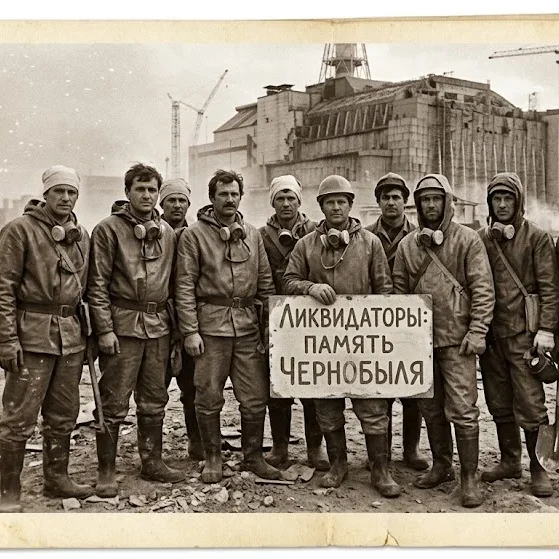
Among the most powerful segments of the documentary are interviews with two “liquidators”—the workers tasked with cleaning up the radioactive aftermath.
These individuals risked their lives in hazardous conditions to contain the disaster and prevent further catastrophe.
Their Role and Legacy
Removal of radioactive debris
Construction of containment structures
Exposure to life-threatening radiation levels
Long-term health consequences
Decades later, their reflections provide a sobering reminder of the human cost involved in managing nuclear disasters.
Exploring Life Before and After the Explosion
Beyond the immediate tragedy, the BBC project delves into what life was like in Pripyat before the disaster—a thriving Soviet city known for its youthful energy and modern infrastructure.
This contrast between past vibrancy and present abandonment creates a powerful narrative arc.
Life in Pripyat Before 1986
A bustling city with a young population
Active cultural and nightlife scene
Symbol of Soviet progress and modernity
After the Explosion
Mass evacuation within days
Permanent displacement of residents
Transformation into a ghost town
This dual perspective highlights not just what was lost, but also what continues to be remembered.
“The Last Dancefloor in Chernobyl”: A Story of Love and Loss
Complementing the television documentary is a deeply emotional podcast titled The Last Dancefloor in Chernobyl, also presented by Jordan Dunbar.
The podcast will be released via the BBC World Service and distributed on platforms like BBC Sounds.
Central Narrative
The story revolves around three young individuals whose lives were forever altered by the disaster:
Iryna and Serhiy, a couple preparing for their wedding
DJ Alexander Demidov, a key figure in Pripyat’s nightlife
On the eve of celebration, the explosion forced them to abandon their homes and future plans, marking the beginning of a life defined by displacement and rebuilding.
Youth Culture and Nightlife in Soviet-Era Pripyat
The podcast uniquely captures the cultural atmosphere of Pripyat before the disaster, including its vibrant music scene.
DJ Alexander Demidov’s role in introducing Western music reflects a subtle cultural shift within the Soviet Union at the time.
Cultural Elements Highlighted
Popular dance clubs and social gatherings
Influence of Western music behind the Iron Curtain
Youth aspirations and social life
Contrast with post-disaster silence
This focus on everyday life adds richness to the narrative, making the tragedy even more poignant.
The Long-Term Impact Across Nations
The effects of the Chernobyl disaster were not confined to Ukraine alone. Neighboring regions in Belarus and Russia also experienced significant fallout.
Lasting Consequences
Environmental contamination
Public health crises
Economic disruption
Generational trauma
The documentary examines how these impacts continue to shape communities decades later, emphasizing that Chernobyl is not just a historical event but an ongoing reality.
Chernobyl’s Relevance in Today’s Geopolitical Climate
The renewed attention to Chernobyl comes at a time when the region has gained strategic importance due to the ongoing conflict in Ukraine.
The site’s history and location make it a focal point in discussions about nuclear safety and geopolitical risk.
Why It Matters Today
Concerns over nuclear infrastructure during conflict
Symbol of environmental vulnerability
Reminder of the consequences of misinformation
By connecting past and present, the BBC’s coverage ensures that the lessons of Chernobyl remain relevant for future generations.
Broadcast and Release Schedule
The BBC has carefully planned the release of both the documentary and podcast to maximize impact.
Television Documentary
Title: What Happened at Chernobyl
Broadcast Date: 20 April 2026
Platforms:
BBC One
BBC iPlayer
BBC News channel
YouTube (BBC World Service)
Podcast and Radio Documentary
Title: The Last Dancefloor in Chernobyl
Release Date: 25 April 2026
Platforms:
BBC Sounds
The Documentary Podcast feed
Other major podcast platforms
Why This Story Matters More Than Ever
As audiences increasingly seek meaningful, fact-based content, the BBC’s return to the Chernobyl story reflects a broader shift toward in-depth journalism.
This project is not just about revisiting a tragedy—it’s about understanding its implications in a modern context.
Key Takeaways
The importance of transparency during crises
The human cost of technological failures
The resilience of affected communities
The enduring relevance of historical events
Conclusion: A Timely Reminder of History’s Lessons
The BBC’s dual-format storytelling approach ensures that the legacy of the Chernobyl disaster reaches both traditional viewers and digital audiences.
Through the work of Jordan Dunbar, the project brings together investigative depth and emotional storytelling, offering a comprehensive look at one of the most significant events of the 20th century.
As the 40-year milestone approaches, this initiative serves as both a tribute to those affected and a call to remember the lessons of the past—lessons that remain critically important in today’s world.