Simplecast Launches YouTube Publishing Feature to Streamline Podcast Video and Audio Distribution
The podcasting industry is rapidly evolving as creators move beyond traditional audio-only formats to embrace video-driven storytelling and multi-platform distribution. In a significant move aimed at simplifying this transition, Simplecast has rolled out a new feature that allows podcasters to publish video episodes directly to YouTube while simultaneously distributing the audio version to podcast platforms.
The feature marks a major step toward omnichannel podcast publishing, enabling creators to streamline workflows and track performance across audio and video formats from a single dashboard. The update is currently available to Enterprise and Professional users, making it one of the most notable platform upgrades in the podcast publishing ecosystem in recent months.
As podcast consumption increasingly blends with video streaming and social discovery, Simplecast’s latest feature aims to bridge the gap between podcast hosting and video-first platforms, especially YouTube, which has rapidly become a dominant destination for podcast audiences worldwide.
The traditional podcast publishing workflow often requires creators to upload content multiple times across platforms. Typically, podcasters publish audio episodes via RSS feeds to directories while separately uploading video versions to YouTube.
This process can be time-consuming and inconsistent.
Simplecast’s new capability changes that by enabling:
Single upload distribution for both audio and video
Automatic YouTube publishing
Simultaneous audio RSS feed distribution
Unified analytics tracking across platforms
In practical terms, creators can upload one episode file and let the platform handle the rest, eliminating redundant tasks and ensuring consistency across multiple listening platforms.
This streamlined approach reflects the growing shift in the industry toward centralized content management systems for podcast production.
How the Feature Works
The new publishing system is designed to make video podcast distribution as easy as uploading a standard audio episode.
Step-by-Step Publishing Workflow
Upload a video episode directly to the Simplecast dashboard.
The platform publishes the video to the connected YouTube channel automatically.
An audio version is extracted and generated for podcast distribution.
The episode is then distributed to podcast directories via RSS feed.
All metadata such as title, description, and artwork automatically sync across platforms.
This automation helps ensure that each episode maintains consistent branding and presentation, regardless of where audiences encounter it.
For podcasters managing large shows or networks, this can significantly reduce the administrative workload associated with publishing episodes.
Unified Podcast Analytics: One Dashboard for Audio and Video
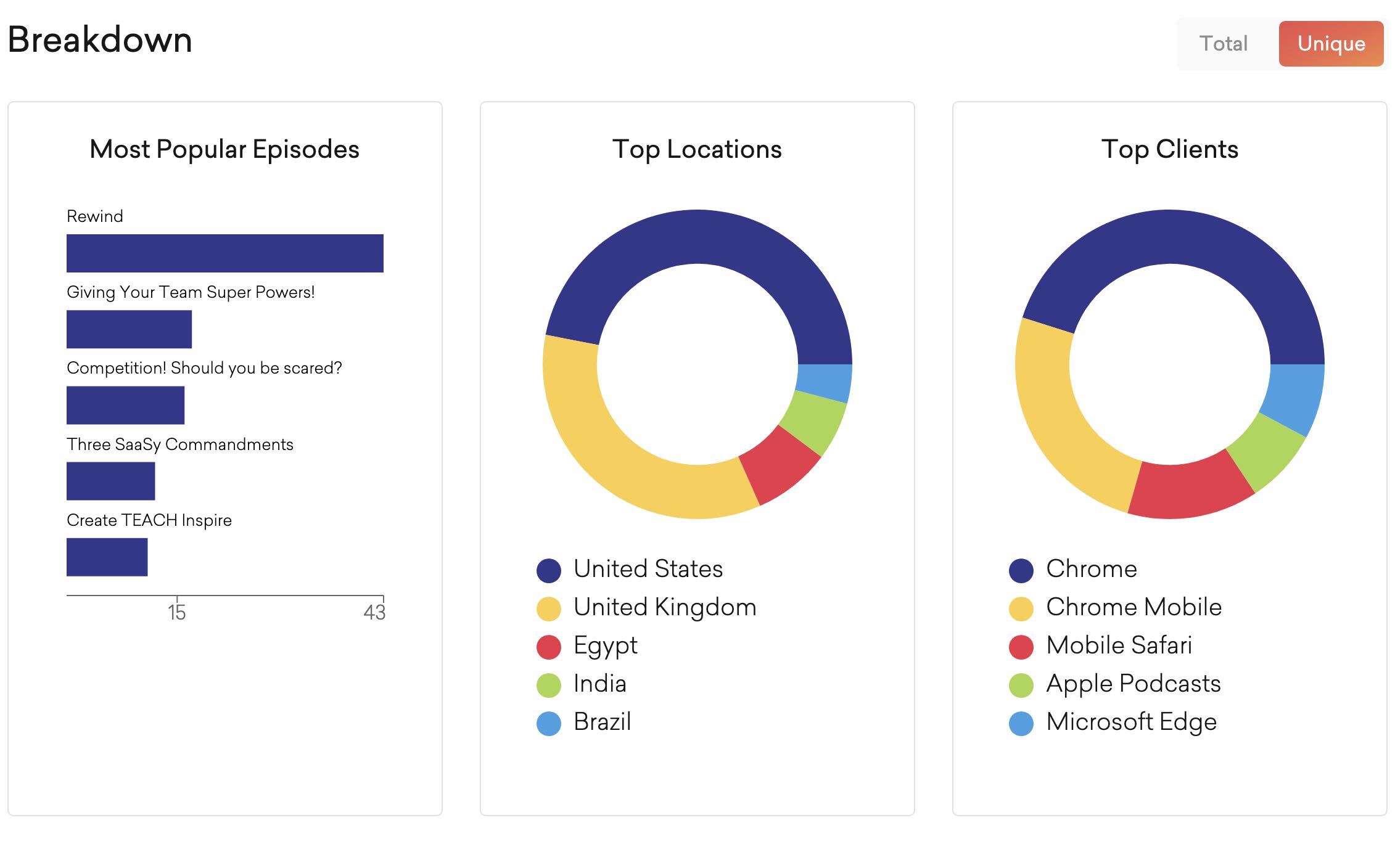
Another major highlight of the update is the unified analytics dashboard, which combines performance metrics from both audio and video formats.
Previously, creators often had to switch between different analytics platforms to monitor engagement.
With the new system, Simplecast users can view metrics such as:
Audio Podcast Metrics
Episode downloads
Listener numbers
Subscriber growth
Listening completion rates
YouTube Video Metrics
Views
Watch time
Likes and dislikes
Comments
Shares
Subscriber gains
Bringing these insights together in a single interface enables podcasters to analyze audience behavior across formats.
This makes it easier to answer key questions like:
Are viewers more engaged with video or audio?
Do certain topics perform better on YouTube?
Does video drive more audience growth?
For creators working with advertisers or networks, this consolidated reporting system simplifies performance tracking and campaign analysis.
The Rise of Omnichannel Podcasting
According to Simplecast, podcasting is no longer limited to a single format or platform. Instead, it has evolved into an omnichannel content ecosystem.
In its announcement, the company emphasized that the boundaries between audio, video, and social discovery are increasingly blurred.
Modern podcast audiences now consume content through:
Dedicated podcast apps
Video streaming platforms
Social media clips
Smart speakers
Mobile devices
This transformation is pushing creators to expand beyond traditional RSS-based distribution.
Simplecast described the trend in its announcement:
Podcasting is becoming omnichannel by default. Audio, video, social discovery, and platform-native consumption are converging.
The new YouTube publishing feature reflects this broader strategy to help creators increase discoverability and audience reach across platforms.
Why YouTube Has Become a Key Podcast Platform
Over the past few years, YouTube has quietly become one of the most important destinations for podcast audiences.
While originally designed for video content, YouTube now hosts:
Full-length video podcasts
Audio-only episodes with static visuals
Podcast clips and highlights
Livestream podcast recordings
Many creators report that YouTube helps them reach new audiences who may not actively use podcast apps.
Key reasons YouTube is attractive for podcasters include:
Massive Global Audience
YouTube has billions of active users worldwide, offering unmatched discoverability.
Powerful Recommendation Algorithm
The platform’s algorithm can surface podcasts to viewers who may have never searched for them directly.
Visual Engagement
Video allows creators to build stronger personal connections with audiences.
Monetization Opportunities
Podcasters can earn revenue through:
Ads
Channel memberships
Sponsorship integrations
Super chats during live shows
With Simplecast’s integration, creators can now tap into these opportunities without managing multiple publishing systems.
Integration With Podcast Directories
While video podcasting is growing quickly, audio podcast distribution remains essential.
Simplecast’s system ensures that the audio version of each episode continues to reach traditional podcast platforms through RSS feeds.
This means episodes can still appear on services such as:
Apple Podcasts
Spotify
Amazon Music
Pocket Casts
By maintaining RSS distribution while adding direct YouTube publishing, Simplecast allows creators to maintain their existing audience while expanding into video ecosystems.
Industry Timing: Apple Podcasts Adds Video Support
The launch of Simplecast’s YouTube integration arrives at a time when major podcast platforms are increasing their support for video formats.
For example, Apple recently announced plans to introduce HLS video support on Apple Podcasts.
This development is expected to roll out in the spring and will allow podcast creators to deliver video episodes directly within the Apple Podcasts app.
Several divisions of SiriusXM — including SiriusXM Media, AdsWizz, and Simplecast — have already indicated support for this new format.
The industry trend is clear: video podcasts are becoming mainstream across major distribution channels.
Simplecast’s Journey Under SiriusXM
Simplecast has undergone significant transformation since being acquired by SiriusXM.
In July 2020, SiriusXM purchased the podcast hosting platform for $28 million. The deal strengthened SiriusXM’s position in the rapidly expanding podcast market.
Later, the company integrated Simplecast’s technology and team into AdsWizz, its digital advertising technology unit.
This move allowed Simplecast users to gain direct access to advanced advertising and monetization tools within the AdsWizz ecosystem.
For creators and networks, this integration offers several advantages:
Automated ad insertion
Audience targeting
Campaign performance tracking
Revenue optimization
Combined with the new YouTube publishing feature, the platform is evolving into a comprehensive podcast infrastructure solution.
Benefits for Podcast Creators
The new integration could be particularly valuable for independent creators, media companies, and podcast networks looking to expand their digital presence.
Key Advantages
1. Faster Publishing Workflow
Uploading once instead of multiple times significantly reduces production time.
2. Consistent Branding
Metadata syncing ensures titles, descriptions, and artwork remain consistent across platforms.
3. Improved Analytics
Unified data helps creators understand which formats resonate with audiences.
4. Audience Growth Opportunities
YouTube’s discovery features can help podcasts reach entirely new listeners.
5. Simplified Reporting
Advertising partners and stakeholders can view consolidated performance metrics.
What This Means for the Future of Podcasting
The launch of integrated YouTube publishing signals a broader transformation within the podcast industry.
Experts increasingly predict that the future of podcasting will involve hybrid formats that combine audio, video, and social media distribution.
Some emerging trends include:
Video-first podcast production
Short-form podcast clips for social media
Live streaming podcast recordings
Interactive audience engagement
Multi-platform publishing ecosystems
Platforms like Simplecast are positioning themselves to support this new content landscape, where creators need tools that work seamlessly across formats.
Competitive Landscape in Podcast Hosting
Simplecast competes with several major podcast hosting platforms, including:
Buzzsprout
Libsyn
Anchor
Each platform offers different strengths in distribution, analytics, and monetization.
However, Simplecast’s focus on enterprise-level analytics and integrated advertising technology gives it a strong advantage for professional podcast networks and media organizations.
The Growing Creator Economy Around Podcasts
Podcasting is now a major pillar of the global creator economy.
Millions of creators produce podcasts covering topics such as:
News and politics
Technology
Business and entrepreneurship
Entertainment
Education
Personal development
With advertising spending on podcasts continuing to grow, platforms that simplify distribution and analytics are becoming essential tools.
By combining video publishing, analytics, and advertising infrastructure, Simplecast aims to position itself as a central hub for professional podcast production.
What Podcasters Should Watch Next
As the industry shifts toward multi-format podcast experiences, creators may need to adapt their strategies.
Experts suggest focusing on:
Producing video-friendly podcast formats
Creating short highlight clips for social media
Engaging audiences visually through studio setups
Leveraging analytics to refine content strategy
With platforms like Simplecast introducing new publishing tools, podcasters now have more opportunities than ever to scale their content across multiple platforms without increasing workload.
Final Thoughts
Simplecast’s new YouTube publishing feature represents a major step forward in simplifying podcast distribution in an increasingly multi-platform media environment.
By enabling creators to upload a single episode and automatically distribute both video and audio versions, the platform reduces complexity while improving audience insights.
As video podcasts gain traction and platforms like Apple Podcasts add support for video formats, the industry appears to be moving toward a future where audio and video podcasting are seamlessly integrated.
For creators looking to expand their reach and grow audiences, tools that combine publishing, analytics, and monetization will likely play a central role in the next phase of podcasting’s evolution.