The Final Hours Podcast Launches in 2026 to Reopen Cold Missing Person Cases
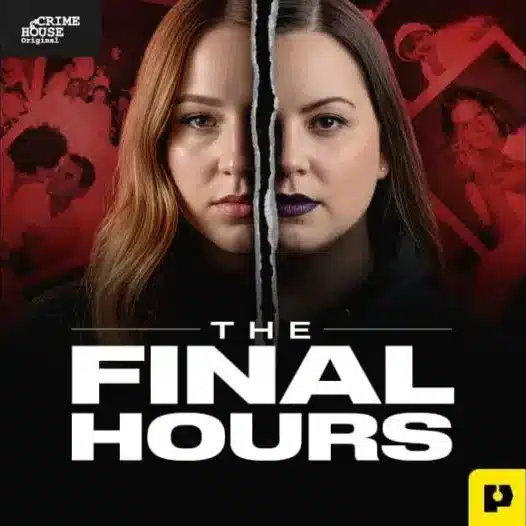
PAVE Studios has officially launched The Final Hours, a Crime House original weekly podcast hosted by Sarah Turney and Kourtney Nichole.
The show, which debuted on February 23, 2026, promises to dig deeper into the overlooked final interactions, unanswered clues, and silent gaps in missing persons investigations — stories that many families believe were never fully explored.
With new episodes dropping every Monday across all major podcast platforms, The Final Hours is positioning itself as more than just another true crime show. It’s a platform for re-examination, renewed attention, and, perhaps, long-awaited answers.
The true crime genre has evolved significantly over the past decade. What began as narrative storytelling has now shifted toward accountability journalism and advocacy-driven reporting.
The Final Hours enters this landscape with a clear objective:
Revisit cold and underreported missing person cases
Examine the final confirmed moments before disappearance
Highlight overlooked or dismissed details
Amplify the voices of families still seeking answers
Approach investigations with sensitivity and intention
Unlike sensationalized crime coverage, the podcast centers on the critical window of time — the last conversations, sightings, digital footprints, and movements — that often hold the key to solving a disappearance.
Why “The Final Hours” Matter in Missing Person Cases
Experts frequently emphasize that the hours leading up to a disappearance can determine the direction of an entire investigation. Yet in many cases, those early details are:
Misinterpreted
Incompletely documented
Dismissed prematurely
Lost in bureaucratic process
Overshadowed by media narratives
The podcast’s concept focuses squarely on these moments.
By retracing timelines and re-analyzing overlooked elements, the hosts aim to shine new light on cases that have stalled.
Hosts With Personal Stakes in the True Crime World
Sarah Turney: Advocacy Rooted in Experience
Sarah Turney has become a prominent voice in the true crime and missing persons community. Her years-long fight to bring attention to her sister’s disappearance has shaped her understanding of how easily cases can fade from public consciousness.
In a statement marking the show’s launch, she explained that her personal journey drives her approach to investigative storytelling.
She emphasized that countless families remain in limbo — waiting for renewed attention, investigative breakthroughs, or simply acknowledgment.
Her involvement signals that The Final Hours will blend journalism with advocacy, a model increasingly resonating with listeners who demand ethical storytelling.
Kourtney Nichole: A Measured and Intentional Approach
Joining Turney is Kourtney Nichole, who has also spoken publicly about personal experiences with crime.
Nichole has stressed the importance of:
Intentional reporting
Respect for affected families
Avoiding exploitation of trauma
Focusing on facts over speculation
Her perspective aligns with a broader shift in the genre — moving away from shock value and toward responsible reporting.
Inside the Concept: What Listeners Can Expect
Each weekly episode will reconstruct the final confirmed timeline before a disappearance. That includes:
1. Last Conversations
Phone calls
Text messages
In-person interactions
Social media activity
2. Final Sightings
Surveillance footage
Witness accounts
Location tracking data
Transportation records
3. Overlooked Clues
Dismissed tips
Inconsistencies in timelines
Digital anomalies
Behavioral red flags
4. Unanswered Questions
Gaps in investigation
Contradictory statements
Procedural missteps
Unexplored suspects or angles
By narrowing in on these final hours, the hosts aim to identify patterns that may have been missed during initial investigations.
The Role of Crime House and PAVE Studios
The podcast is produced under Crime House, an original content brand associated with PAVE Studios.
Founder Max Cutler highlighted that trust remains a cornerstone of true crime storytelling. According to Cutler, bringing Turney and Nichole together creates a collaborative space built on credibility and shared purpose.
In an industry where audiences are increasingly skeptical of exploitative narratives, establishing trust is not optional — it’s essential.
The True Crime Podcast Boom Continues in 2026
The launch of The Final Hours comes at a time when:
True crime podcasts dominate streaming charts
Listener demand for investigative depth is growing
Cold cases are being reopened due to renewed public interest
Social media amplifies underreported stories
According to industry analysts, true crime remains one of the most consumed podcast genres globally. However, the tone of successful shows is shifting.
Today’s audiences expect:
Ethical storytelling
Fact-based reporting
Transparency in sources
Empathy for victims and families
Accountability-driven journalism
The Final Hours appears to be tailored precisely to this new standard.
A Platform for Cases That “Waited Too Long”
A recurring theme in the show’s launch messaging is the idea of time — specifically, cases that have lingered without resolution.
Many missing persons cases experience:
A surge of attention during the first 48 hours
Media coverage that fades quickly
Limited investigative resources
Public memory erosion
By revisiting these cases, the podcast hopes to generate renewed awareness and potentially spark tips or leads.
History has shown that media attention can directly influence investigations. Renewed public discussion has, in some instances, led to:
Witnesses coming forward
New evidence surfacing
Authorities reopening files
DNA retesting
Community mobilization
Ethical Reporting in True Crime: A Delicate Balance
The genre has faced criticism over the years for:
Sensationalism
Victim exploitation
Inaccurate speculation
Monetization of tragedy
Turney and Nichole’s approach suggests a deliberate effort to counter those critiques.
Their stated goals emphasize:
Respect for families
Avoiding harmful speculation
Responsible sourcing
Intentional narrative framing
This approach may appeal to listeners who want to engage with crime content without contributing to voyeurism.
The Impact on Families of the Missing
For families, renewed attention can be a double-edged sword.
On one hand:
It keeps the case alive
It applies pressure on investigations
It encourages tip submissions
On the other:
It can reopen emotional wounds
It invites public scrutiny
It sometimes sparks online misinformation
The hosts have indicated that collaboration with families and sensitivity in storytelling will be central to the production process.
Monday Release Schedule: Building Consistent Engagement
New episodes of The Final Hours will drop every Monday across all major podcast platforms.
This weekly cadence allows for:
Ongoing audience engagement
Structured investigative arcs
Community discussion
Social media amplification
Monday releases are strategically popular in podcasting, capturing listeners at the start of their week.
What Sets The Final Hours Apart?
While dozens of true crime podcasts exist, this series distinguishes itself through:
Singular focus on the final timeline
Hosts with lived advocacy experience
A commitment to ethical storytelling
Structured investigative review
Platform backing from an established studio
Rather than covering entire case histories, the show narrows its lens — a focused methodology that may reveal overlooked patterns.
The Broader Conversation Around Missing Persons
Globally, thousands of individuals are reported missing each year. While many cases are resolved quickly, others remain unsolved for decades.
Common challenges include:
Jurisdictional limitations
Resource allocation disparities
Media bias in coverage
Data management gaps
Lack of sustained public interest
Podcasts like The Final Hours contribute to an ecosystem where digital media can supplement traditional investigative pathways.
Could Renewed Attention Lead to Breakthroughs?
Historically, public attention has:
Prompted cold case reviews
Encouraged forensic re-analysis
Generated viral tip campaigns
Connected amateur investigators with professionals
While no podcast can guarantee resolution, sustained spotlighting can shift momentum.
Listener Reaction and Early Buzz
Within hours of its launch announcement, the show began generating discussion across social platforms and podcast communities.
Listeners expressed anticipation for:
In-depth timeline analysis
Transparent investigative processes
Compassionate storytelling
Cases that have faded from headlines
Given the established audiences of both hosts, the podcast is expected to gain traction quickly.
The Future of Advocacy-Driven Podcasting
The Final Hours may signal a broader transformation within true crime media — where creators become advocates and storytellers become investigators.
If successful, this format could inspire:
More survivor-led productions
Greater collaboration with families
Increased accountability journalism
Ethical production standards
Final Thoughts: A Second Look at Lost Time
In missing persons investigations, time is everything. The first hours matter. The overlooked details matter. The dismissed inconsistencies matter.
With The Final Hours, Sarah Turney and Kourtney Nichole are betting that revisiting those critical windows can change narratives — and perhaps, outcomes.
For families still waiting, even renewed attention can be meaningful.
And for listeners, the podcast offers something deeper than mystery — it offers reflection, responsibility, and the possibility of rediscovery.