What the Hubhopper–Headliner Partnership Actually Does?
Hubhopper has announced a powerful new integration with Headliner, giving creators the ability to instantly transform full-length video podcast episodes into bite-sized, shareable video clips using artificial intelligence.
As video podcast consumption accelerates globally — and with Apple Podcasts preparing to expand video distribution — this strategic partnership signals a clear message: the era of audio-only dominance is shifting toward a video-first ecosystem.
The collaboration enables Hubhopper creators to generate up to 10 AI-powered video clips with just one click, helping them expand reach across YouTube, social platforms, and upcoming video-enabled podcast directories.
Here’s everything you need to know about the development reshaping podcast growth strategies in 2026.
The Big Shift: Podcasting Moves From Audio-First to Video-First
Podcasting has long been synonymous with audio. But consumer behavior is changing — and fast.
Recent industry research confirms what creators have already observed: video is no longer optional. It’s becoming central to discovery and audience growth.
According to The Podcast Consumer 2025 report by Edison Research:
30% of weekly podcast listeners who watch video episodes discover new podcasts primarily via YouTube
16% find new shows through social media video clips
Video snippets significantly increase engagement and shareability
With platforms like Apple Podcasts announcing plans to expand video episode distribution this spring, hosting platforms must adapt to stay competitive.
Hubhopper’s new integration appears designed precisely for this transition.
What the Hubhopper–Headliner Partnership Actually Does
4
Through this integration, Hubhopper users can now:
Upload full-length video podcast episodes
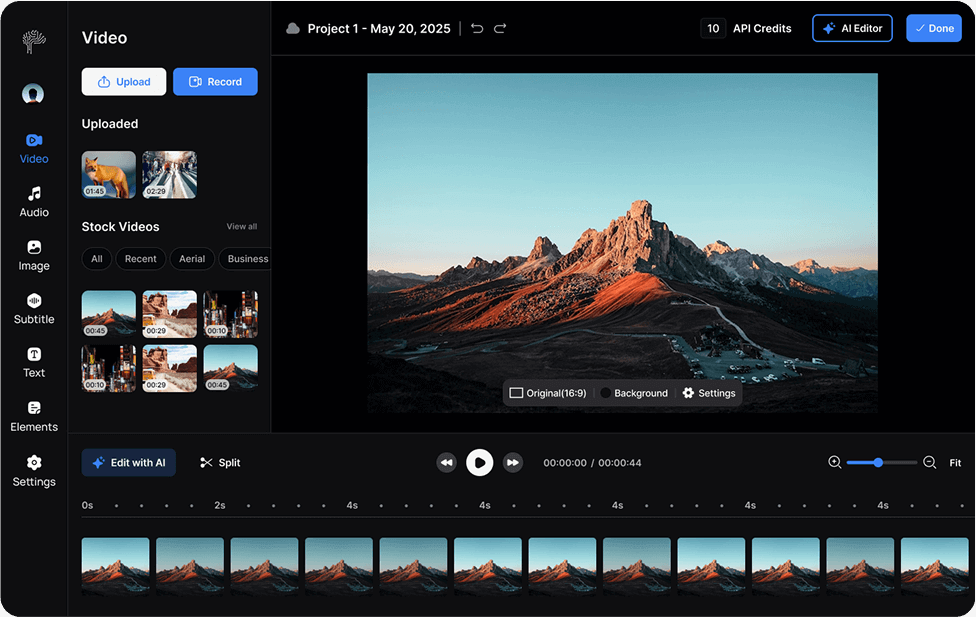
Use AI to instantly generate up to 10 short-form video clips
Download clips for manual publishing
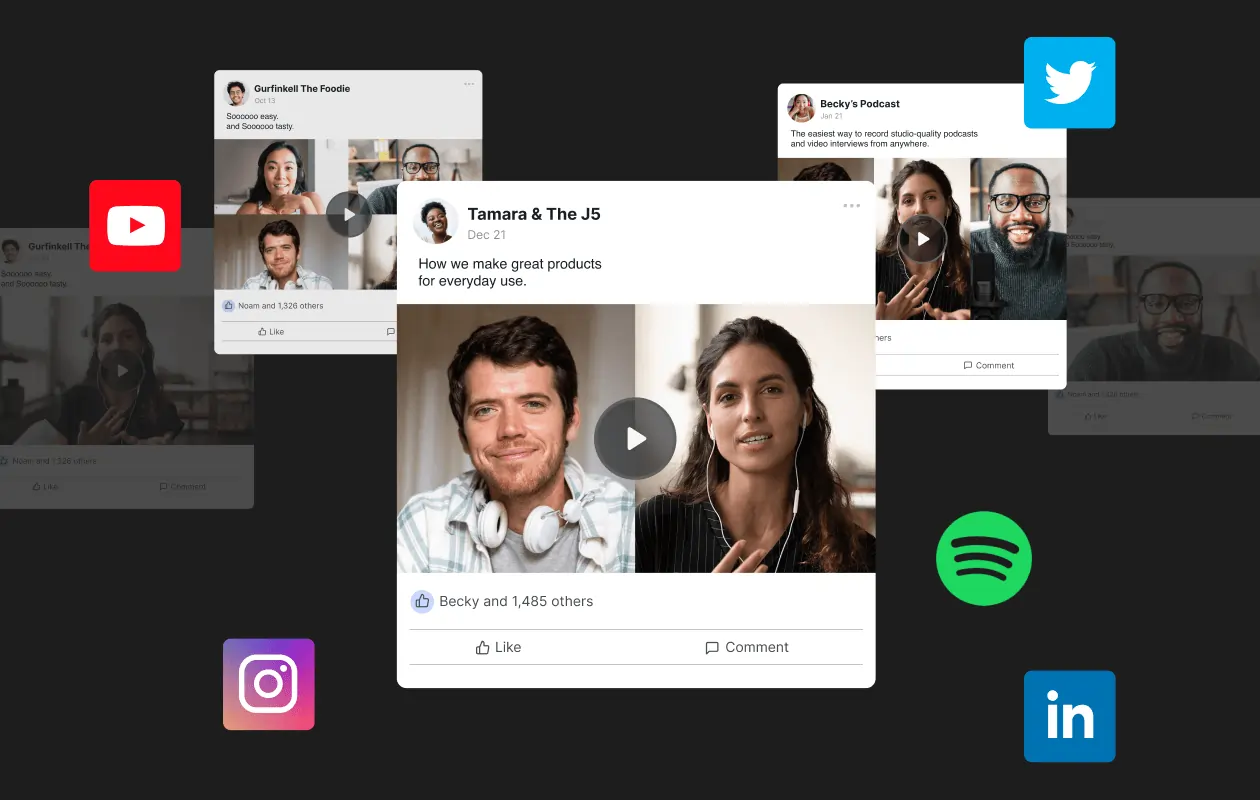
Schedule clips directly to social platforms
Share optimized content across YouTube and social feeds
Prepare for video publishing on Apple Podcasts
The entire process is designed to be seamless — reducing the need for external editing software or additional production workflows.
This isn’t Hubhopper’s first collaboration with Headliner. Two years ago, the companies partnered to provide transcription capabilities to creators. Now, the alliance evolves into full-scale video growth enablement.
Why This Matters Now More Than Ever
1. Discovery Happens on Video Platforms
Podcast discovery is no longer limited to directories like Spotify or Apple Podcasts. Instead, audiences are finding shows via:
YouTube recommendations
Instagram Reels
TikTok
LinkedIn video snippets
Twitter/X video clips
Short-form vertical content has become a powerful entry point into long-form podcast consumption.
2. Apple’s Video Expansion Changes the Game
With Apple Podcasts preparing to distribute video episodes, the competitive field is expanding. Creators who fail to adapt risk losing discoverability.
Video podcasts aren’t just about visibility — they influence ranking algorithms and user retention metrics.
3. AI Lowers the Barrier for Creators
Historically, creating short clips required:
Manual editing
Graphic design tools
Subtitle generation software
Time-intensive post-production
Now, AI automates the process.
Creators can move from recording to multi-platform distribution within minutes.
Inside the Strategy: Hubhopper’s Vision for Global Podcast Growth
Hubhopper CEO Gautam Raj Anand emphasized the urgency of adaptation in today’s shifting content environment.
He noted that the podcast ecosystem is evolving alongside consumer expectations, making it essential for hosting platforms to provide tools aligned with modern consumption habits.
Hubhopper’s broader strategy focuses on:
Robust global podcast distribution
AI-powered workflow optimization
Simplified growth tools for independent creators
Cross-platform visibility
By embedding Headliner’s video clipping toolkit directly into its hosting platform, Hubhopper removes friction from the creator journey.
Headliner’s Evolution: From Audio Support to Video Growth Engine
Headliner has long been known for enabling podcasters to create audiograms — short video snippets with waveform animations.
But the company’s vision has expanded.
CEO Neil Mody stated that while Headliner helped podcasters thrive in the audio-first era, the future is undeniably video-centric.
Headliner’s AI toolkit now allows:
Intelligent clip selection
Automated captioning
Vertical format optimization
Platform-ready exports
Instant shareability
Thousands of video podcasts are already leveraging the platform to accelerate growth.
The Hubhopper integration brings that power directly into hosting infrastructure.
How AI Video Clipping Drives Podcast Growth
Increased Reach
Short clips dramatically expand reach by tapping into algorithm-driven feeds on:
YouTube Shorts
Instagram Reels
TikTok
LinkedIn
Higher Engagement
Video increases:
Watch time
Share rates
Comment activity
Cross-platform traffic
Stronger Brand Recall
Seeing hosts on camera builds familiarity and trust — critical components for audience loyalty.
Better Monetization Potential
Video content opens doors to:
Brand integrations
YouTube monetization
Sponsored short-form placements
Multi-platform ad inventory
The Rise of Multi-Platform Podcast Distribution
The modern podcast creator must think beyond RSS feeds.
Growth strategies now include:
Publishing full episodes on YouTube
Repurposing clips daily
Leveraging community-building on social media
Optimizing metadata for platform search
Hubhopper’s integration simplifies this multi-channel expansion.
Instead of juggling editing software, hosting dashboards, and scheduling tools, creators can now centralize workflow.
Industry Trends Backing the Move
Podcasting in 2026 is characterized by:
Hybrid audio-video formats
Cross-platform audience discovery
AI-powered production workflows
Creator-led distribution strategies
Platform convergence
The Edison Research findings confirm that YouTube remains the top discovery engine for video podcast listeners.
This data makes one thing clear: visibility equals growth.
And visibility increasingly depends on video.
Competitive Landscape: Why Hosting Platforms Must Innovate
Podcast hosting platforms are no longer judged solely on:
Bandwidth
RSS reliability
Analytics dashboards
They are evaluated on:
Built-in growth tools
Monetization support
Video capabilities
Automation features
Hubhopper’s move signals a shift in what creators expect from hosting providers.
Platforms that fail to integrate AI-driven video solutions risk falling behind.
What This Means for Independent Podcasters
For independent creators, this integration removes major hurdles:
Time Savings
No need to outsource editing.
Cost Reduction
No additional software subscriptions required.
Faster Distribution
Clips can be scheduled instantly.
Algorithm Advantage
Frequent posting increases discoverability.
For small teams and solo podcasters, this levels the playing field.
The Future: Where Podcasting Is Headed
Industry analysts predict:
Video podcast consumption will surpass audio-only growth rates.
Short-form clips will drive majority discovery traffic.
AI-assisted editing will become standard practice.
Hosting platforms will evolve into creator growth ecosystems.
Hubhopper’s partnership with Headliner appears aligned with these forecasts.
Key Takeaways
Hubhopper integrates Headliner’s AI-powered video clipping toolkit
Creators can generate up to 10 shareable clips instantly
Video podcast consumption continues to rise
Apple Podcasts is expanding into video distribution
Research shows YouTube and social media dominate discovery
AI automation simplifies production and boosts growth
Final Word: A Timely Move in a Rapidly Changing Landscape
The podcast industry is experiencing one of its most transformative phases. With video consumption rising and distribution channels evolving, platforms must offer more than hosting — they must enable growth.
Hubhopper’s integration with Headliner reflects a forward-looking strategy built around automation, accessibility, and creator empowerment. For podcasters navigating 2026’s competitive digital ecosystem, the message is clear: Video is no longer optional. It’s essential.