At-Home Podcast Listening Remains Strong in 2026 | Edison Research Report
The way people consume podcasts may have evolved over the last decade, but one habit formed during the COVID-19 pandemic has proven remarkably resilient: listening to podcasts at home.
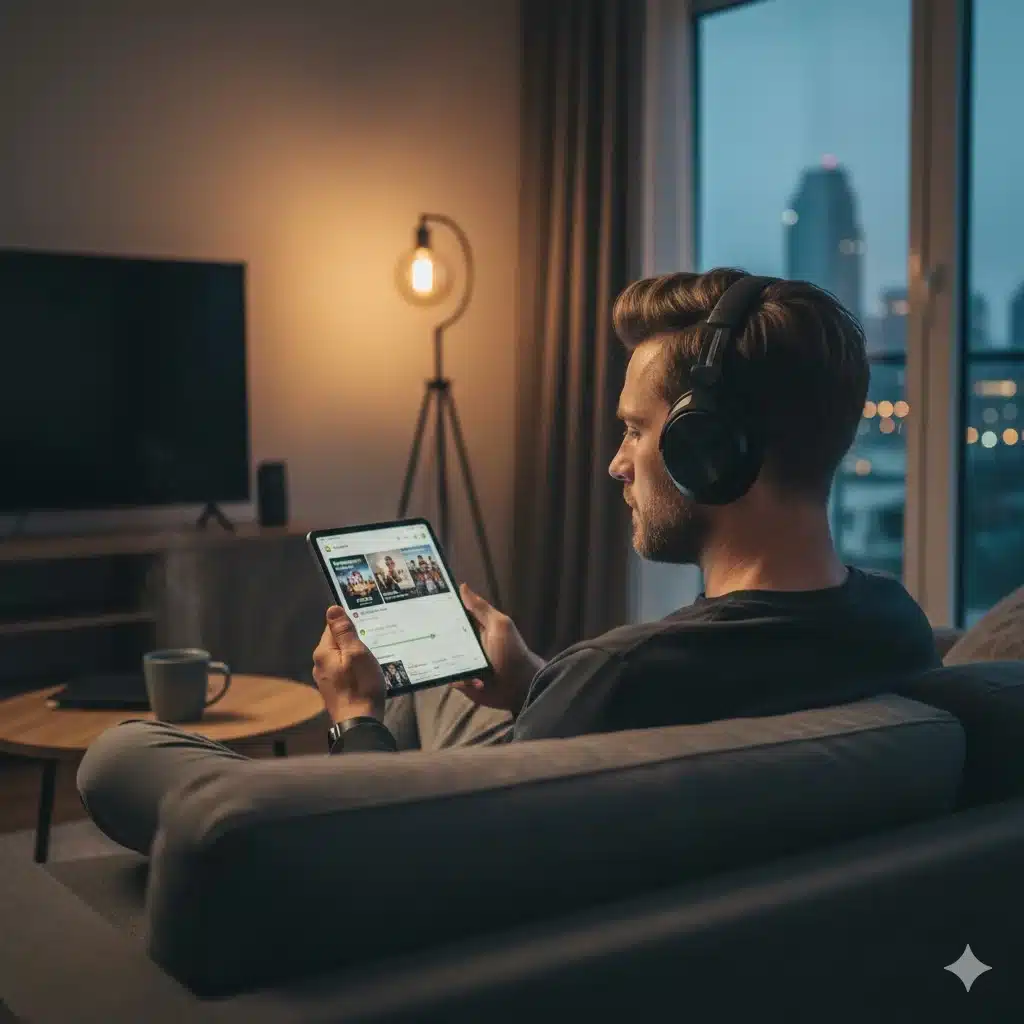
Despite rapid advancements in in-car infotainment systems, smart dashboards, and mobile connectivity, a majority of podcast listeners still prefer tuning in from the comfort of their homes. According to the latest Podcast Metrics data from Edison Research, nearly two-thirds of weekly podcast listeners in the U.S. continue to listen primarily at home—a trend that shows little sign of fading in 2026.
Edison Research’s most recent findings reveal that 63% of Americans aged 18 and older who listen to podcasts weekly say their primary listening location is at home.
This figure underscores a major behavioral shift that began during the pandemic and has since solidified into what researchers now describe as a “new normal” for audio consumption.
Key takeaway:
Home remains the dominant podcast listening environment, even as daily routines normalize and mobility increases.
Before the Pandemic: Podcast Listening Was More Mobile
Prior to 2020, podcast listening habits looked very different.
Pre-COVID podcast trends:
In 2019, only 48% of adult podcast listeners said they mostly listened at home
Commuting, offices, gyms, and public transportation played a much larger role
In-car listening was steadily growing but had not yet overtaken home consumption
At that time, podcasts were often treated as “on-the-go content”, designed to fit into busy, mobile lifestyles.
Pandemic Lockdowns Changed Everything
When COVID-19 lockdowns began in early 2020, daily life changed almost overnight—and so did media consumption.
With millions of Americans suddenly:
Working from home
Learning remotely
Spending extended hours indoors
Podcast listening behavior shifted dramatically.
Pandemic-era surge in at-home listening:
2020: At-home podcast listening jumped by 10 percentage points
2021: The figure rose further to 62%
Smart speakers, laptops, TVs, and wireless headphones became primary listening tools
What began as a temporary adjustment soon became a deeply ingrained habit.
Why the Habit Stuck After the Pandemic
While many expected at-home podcast listening to decline once restrictions were lifted, the data tells a different story.
Edison Research notes that at-home podcast consumption has remained largely stable since 2021, even as social life, travel, and office work resumed.
Reasons the habit endured:
Hybrid and remote work models remain common
Listeners now associate podcasts with relaxation, focus, and downtime
Growth of video podcasts encourages living-room viewing
Smart TVs and connected devices make long-form content more accessible
The Rise of Video Podcasts and Living-Room Listening
One of the biggest drivers behind sustained at-home podcast listening is the explosive growth of video podcast consumption.
How video podcasts are reshaping habits:
Many popular podcasts now publish full video episodes
Viewers increasingly watch podcasts on large screens, not just phones
Living rooms have become a primary destination for long-form audio-video content
This shift blurs the line between traditional podcasts and streaming content, anchoring consumption firmly within the home.
Dashboard Technology vs. Home Comfort
Automakers and tech companies have made significant investments in:
Smart dashboards
Voice assistants
Wireless phone integration
AI-driven infotainment systems
These advancements have undeniably improved the in-car listening experience. However, Edison Research suggests they have not displaced the dominance of home listening.
Home environments allow multitasking—cleaning, cooking, relaxing, or watching
Podcast Trends Reflect a Bigger Audio Shift
Podcast behavior mirrors a broader transformation in how people consume audio overall.
Edison’s Share of Ear study shows that audio listening patterns across music, radio, and podcasts have permanently shifted.
Audio listening trends over time:
2015–2019: Slightly over 50% of daily audio listening occurred at home
2020: At-home audio share jumped to 59%
2021–2022: Levels remained elevated
2023–2025: A slight pullback, but still above pre-pandemic norms
Where Audio Listening Stands in 2026
As of 2026, Edison Research reports:
55% of all audio listening now happens at home
This remains significantly higher than pre-pandemic levels
Mobile listening has recovered but not fully reclaimed its former dominance
What this signals:
At-home audio consumption is no longer an anomaly
Hybrid lifestyles have redefined media routines
Home-based listening is now the baseline, not the exception
Remote Work Continues to Shape Media Habits
One of the most influential factors sustaining at-home podcast listening is the continued prevalence of remote and hybrid work.
Work-from-home impact:
Millions of workers spend at least part of the week at home
Podcasts fill gaps between meetings and tasks
Audio content supports productivity, learning, and stress relief
Even partial remote work schedules significantly reduce commute time, shifting listening hours back into the home.
What This Means for Podcast Creators
For podcast producers, these insights carry major implications.
Content strategy considerations:
Longer episodes perform well in home settings
Video versions increase reach and engagement
High production quality matters more on larger screens
Topics suited for focused listening gain traction
Creators who optimize for at-home consumption are better positioned to grow loyal audiences.
Implications for Advertisers and Brands
Advertisers are also paying close attention to where and how audiences listen.
Why at-home listeners matter:
Higher attention levels compared to mobile listening
Greater likelihood of shared listening
Increased recall and engagement
Brands can tailor messaging for home environments, emphasizing storytelling and longer-form sponsorships.
The Future of Podcast Listening Locations
Looking ahead, Edison Research suggests that at-home listening will remain the cornerstone of podcast consumption, even as technology evolves.
Future outlook:
In-car listening will continue growing—but slowly
Video podcasts will further anchor listening to living rooms
Smart home ecosystems will deepen engagement
Audio habits will remain shaped by flexible work lifestyles
Final Thoughts: A Permanent Shift, Not a Temporary One
The pandemic may have triggered the shift toward at-home podcast listening, but the years since have cemented it as a lasting behavior.
With 63% of weekly listeners still tuning in from home, the data makes one thing clear: podcasts are no longer just a commuter companion—they’re a household staple.
As media consumption continues to evolve, home remains the heartbeat of modern audio.