Government Launches BBC Charter Review 2025 | Funding, Independence and Future Explained
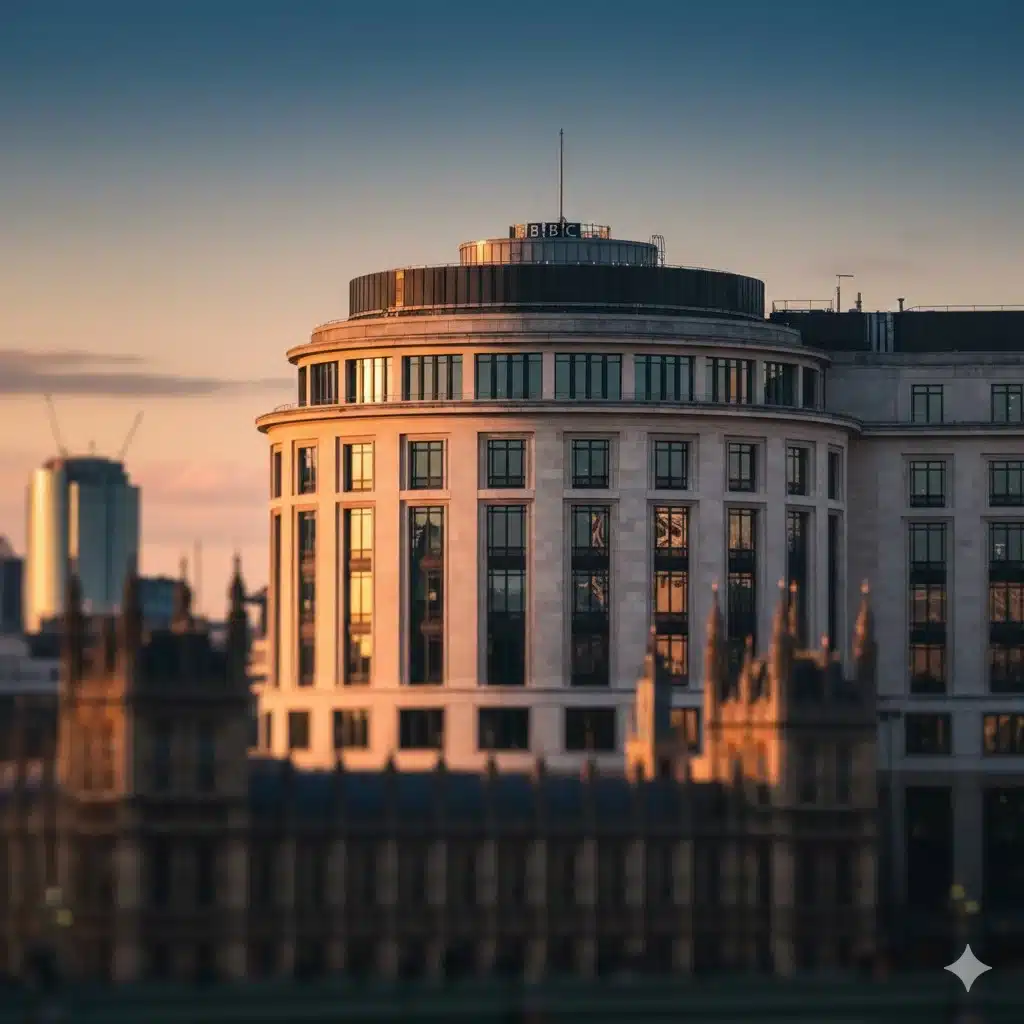
The UK Government has formally launched a once-in-a-decade review of the BBC’s Royal Charter, marking a pivotal moment for the future of the country’s most influential public service broadcaster. The review, announced by Culture Secretary Lisa Nandy, will examine how the BBC can remain independent, trusted, financially sustainable and representative of audiences across the UK in a rapidly evolving media landscape.
Accompanied by the publication of a Green Paper, the review opens a nationwide public consultation and sets the stage for significant decisions about how the BBC is governed, funded and held accountable well into the 2030s.
The Royal Charter defines the BBC’s mission, public purposes, funding model and governance structure. Renewed roughly every ten years, the Charter determines how the broadcaster operates and how it serves licence fee payers.
This latest review comes at a critical juncture:
Audiences are rapidly shifting from traditional TV and radio to on-demand and online platforms
Global streaming giants are reshaping viewer expectations
Trust in institutions, including media, is under intense scrutiny
The sustainability of the licence fee model is increasingly debated
Ministers say the review is an opportunity to futureproof the BBC, ensuring it remains a cornerstone of British cultural life while adapting to technological and economic realities.
Government’s Core Aim: Trust, Independence and Sustainability
According to the Department for Culture, Media and Sport (DCMS), the Charter Review will focus on ensuring the BBC:
Remains fiercely independent from political interference
Commands high levels of public trust
Reflects the diversity of the UK’s nations and regions
Operates on a financially sustainable footing
Announcing the review, Culture Secretary Lisa Nandy emphasised that the BBC plays a unique role both domestically and internationally.
“We want the BBC to continue to enrich people’s lives, tell Britain’s story and showcase our values and culture at home and overseas, long into the future,” she said.
The BBC’s Economic and Cultural Impact
As one of the UK’s most significant cultural institutions, the BBC’s influence extends far beyond broadcasting.
Key facts about the BBC today
Generates around £5 billion annually for the UK economy
The single largest investor in UK-made content
Employs over 20,000 people across the UK
Supports thousands more jobs through independent production
Reaches 453 million people globally each week
Through news, drama, sport, music and education, the BBC remains a powerful ambassador for British creativity and values on the world stage.
A Changing Media Landscape: From Broadcast to Digital
The Government says a central challenge for the Charter Review is how the BBC adapts as audiences increasingly consume content via:
Streaming platforms
Social media
Podcasts and on-demand audio
Mobile and connected devices
While linear television viewing is declining, digital consumption continues to grow — particularly among younger audiences. The review will assess whether the BBC’s current mission and public purposes remain fit for this digital-first era.
The Green Paper: Opening a National Conversation
The Government has published a Green Paper to launch a public consultation on the BBC’s future. Responses will help shape policy proposals to be set out in a White Paper expected in 2026, ahead of the next Charter period.
The consultation explores a wide range of options and is structured around three linked objectives.
Objective One: Strengthening Public Trust and Independence
The first pillar of the review focuses on how the BBC can continue to command public trust in an era of misinformation, polarisation and declining confidence in institutions.
Key proposals under consideration include:
Reinforcing editorial independence
Reviewing the Government’s role in BBC board appointments
Updating the BBC’s Mission and Public Purposes
Giving accuracy equal weight to impartiality
Increasing transparency around editorial decision-making
Introducing new responsibilities to counter misinformation
Considering additional duties related to workplace conduct and staff protection
Ministers believe these measures could help modernise governance while protecting the BBC’s reputation for reliable journalism.
Editorial Standards and the Fight Against Misinformation
In an age of viral falsehoods and AI-generated content, the review acknowledges that trusted public service media may play a crucial role in combating misinformation.
Possible reforms include:
Clearer accountability mechanisms for editorial decisions
Enhanced public explanations when mistakes occur
Stronger internal safeguards around accuracy
The aim, officials say, is not to compromise independence but to reinforce confidence in BBC journalism across political and cultural divides.
Objective Two: Rethinking BBC Funding
Perhaps the most closely watched aspect of the review is the future of the licence fee, which has funded the BBC for decades.
Funding options being explored include:
Reforming the licence fee model
Reviewing existing concessions
Exploring additional commercial revenue streams
Assessing long-term funding arrangements for the BBC World Service
Reviewing support for minority language broadcasting, including S4C
The Government insists no final decisions have been made, but acknowledges that funding must be fair, sustainable and transparent for audiences.
The Licence Fee Debate
The licence fee has long been a source of political and public debate. Supporters argue it protects editorial independence and ensures universal access, while critics question its fairness in a subscription-driven media market.
The Charter Review will assess:
Whether the licence fee remains appropriate
How enforcement and concessions should operate
How funding models affect the BBC’s ability to compete globally
Any changes would have profound implications for how the BBC operates and what services it can provide.
Objective Three: Growth, Jobs and the Creative Economy
The third pillar of the review focuses on the BBC’s role as an engine of economic growth within the UK’s creative industries.
Proposals include:
Spreading commissioning power more evenly across the UK
Supporting production in nations and regions
Investing in research and development
Embracing new technologies, including AI and immersive media
Expanding partnerships with:
Independent producers
Creative organisations
Local and regional news outlets
Ministers say this approach could strengthen skills, innovation and employment while ensuring the BBC reflects the full diversity of the UK.
Regional Representation and the Nations of the UK
Ensuring the BBC reflects England, Scotland, Wales and Northern Ireland is a recurring theme of the review.
The Government wants the broadcaster to:
Better represent regional voices
Invest more outside London
Strengthen local storytelling
Support minority languages and cultures
This is seen as essential to maintaining public trust and relevance across the entire country.
Global Reach and Soft Power
With hundreds of millions of weekly users worldwide, the BBC remains a critical component of the UK’s soft power.
Services such as the World Service play a vital role in:
Promoting democratic values
Providing trusted news in fragile media environments
Enhancing the UK’s international reputation
The Charter Review will consider how these global services are funded and protected amid rising geopolitical tensions.
What Happens Next?
Public consultation is now open following the Green Paper
Responses will inform policy development
A White Paper is expected in 2026
Final decisions will shape the BBC’s next Royal Charter
The Government has encouraged individuals, industry professionals and organisations to contribute their views.
A Defining Moment for Public Service Broadcasting
The launch of the Charter Review represents one of the most consequential moments for the BBC in a generation. As technology, audience habits and public expectations evolve, the decisions taken over the next year will determine:
How the BBC is funded
How it is governed
How it serves audiences at home and abroad
For supporters and critics alike, the process offers a rare chance to influence the future of a national institution.
Find Out More
Full details of the Green Paper and consultation process are available via GOV.UK.