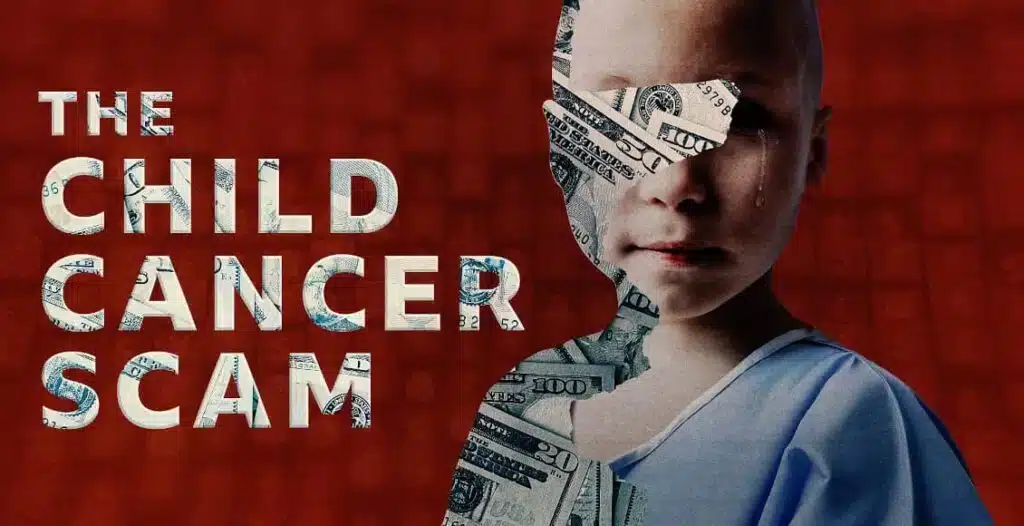
BBC Exposes Global Child Cancer Charity Scam | World of Secrets Investigation
BBC World Service has uncovered what it describes as a global fundraising scam exploiting children with cancer, deceiving donors and devastating families across multiple continents.
The findings, led by the BBC’s award-winning BBC Eye investigations team and revealed through the World of Secrets podcast series, expose how emotionally charged online campaigns raised millions of dollars in children’s names—while the families themselves received little or none of the money.
Inside “The Child Cancer Scam”: A Disturbing Global Investigation
The investigation is presented through:
A documentary film titled The Child Cancer Scam
A new six-part season of the World of Secrets podcast
Digital reporting across BBC platforms
Together, these formats reveal a sophisticated international network that used heartbreaking videos of sick children to solicit donations, often without parental consent or transparency.
How the BBC Investigation Began
The story traces back to October 2023, when BBC reporter Simi Jolaoso noticed a YouTube advertisement promoting an online fundraiser for a child with cancer.
What immediately stood out was the scale.
The campaign claimed to have raised over $500,000
The emotional tone appeared highly scripted
The branding resembled other fundraising videos seen online
This raised red flags—and triggered a deeper investigation.
A Pattern Emerges Across Countries and Platforms
As BBC Eye researchers dug deeper, they discovered dozens of similar fundraising videos featuring children from vastly different regions, including:
Eastern Europe
Latin America
Southeast Asia
Despite geographical differences, the campaigns shared striking similarities:
Identical emotional scripts
Near-identical video styles
Repeated imagery of shaved heads and hospital beds
Heavy emotional pressure placed on viewers to donate quickly
These patterns suggested coordination rather than coincidence.
High-Tech Investigation Methods Reveal the Truth
To uncover the truth, BBC Eye used advanced investigative techniques, including:
Geolocation analysis
Social media tracking
Facial-recognition software
Collaboration with local journalists
Through this process, investigators identified 15 families whose children appeared in the videos.
The investigation focuses in depth on nine families across countries such as:
Ukraine
Colombia
Mexico
The Philippines
Families Say They Received Little or No Money
Despite an apparent $4 million raised across various campaigns:
Many parents said they received no financial support
Others reported receiving only small, unexplained payments
Several families were unaware their children were being used in fundraising appeals at all
For parents already battling childhood cancer, the discovery added emotional trauma to financial hardship.
Disturbing Filming Practices Revealed
One of the most shocking aspects of the investigation involves how the videos were produced.
According to testimony gathered by BBC Eye:
Children were encouraged to cry on camera
Some were instructed to plead directly with viewers
In one reported case, a boy was made to cry using onions placed under his eyes
Children’s heads were shaved purely for emotional impact, not medical necessity
These practices raise serious ethical and legal concerns about child exploitation.
Charities Named in the Investigation
BBC Eye traced the campaigns to several organisations presenting themselves as registered charities, primarily based in:
Israel
Canada
The United States
One of the most active groups identified is Chance Letikva, also operating under the name Chance for Hope.
Alarmingly, campaigns linked to Chance Letikva for two children who have since died are still actively receiving donations.
Key Figure Identified—but No Response
The investigation names Erez Hadari, an Israeli man living in Canada, as a central figure connected to the fundraising network.
Despite being presented with detailed findings:
Hadari did not respond to BBC requests for comment
None of the organisations named in the report provided formal responses
Other organisations contacted include:
Walls of Hope
Saint Raphael
Little Angels
Saint Teresa
Regulatory Authorities Respond
Following the investigation:
The Israeli Corporations Authority stated it could deny registration to charities if evidence shows illegal activity
In the UK, the Charity Commission reiterated guidance urging donors to:
Avoid donating under emotional pressure
Verify charity registration
Research how funds are distributed
Why This Investigation Matters Now
In an era where social media fundraising has become commonplace, this investigation highlights how:
Emotional storytelling can be weaponised
Donors can be misled despite good intentions
Vulnerable children can be exploited globally with minimal oversight
It raises urgent questions about regulation, transparency, and accountability in online charitable giving.
Where to Watch and Listen
The Child Cancer Scam documentary is available on BBC iPlayer and BBC Two’s Global Eye
International viewers can watch via the BBC World Service YouTube channel
World of Secrets: Season 10 – The Child Cancer Scam is available now on podcast platforms
Two new episodes will be released weekly
All six episodes will be available on BBC Sounds in the UK
Key Takeaways for Donors
Before donating online:
✅ Check official charity registration
✅ Look for transparent financial reporting
❌ Avoid campaigns that pressure immediate donations
❌ Be cautious of overly scripted emotional appeals